Midterms 2026: The 36 Governor Races and the Fight for State Power
With 19 open seats and a historic 18 to 18 split on the ballot, voters will decide if Democrats can end two decades of Republican dominance in governor's mansions.
By Marco Whitaker ·
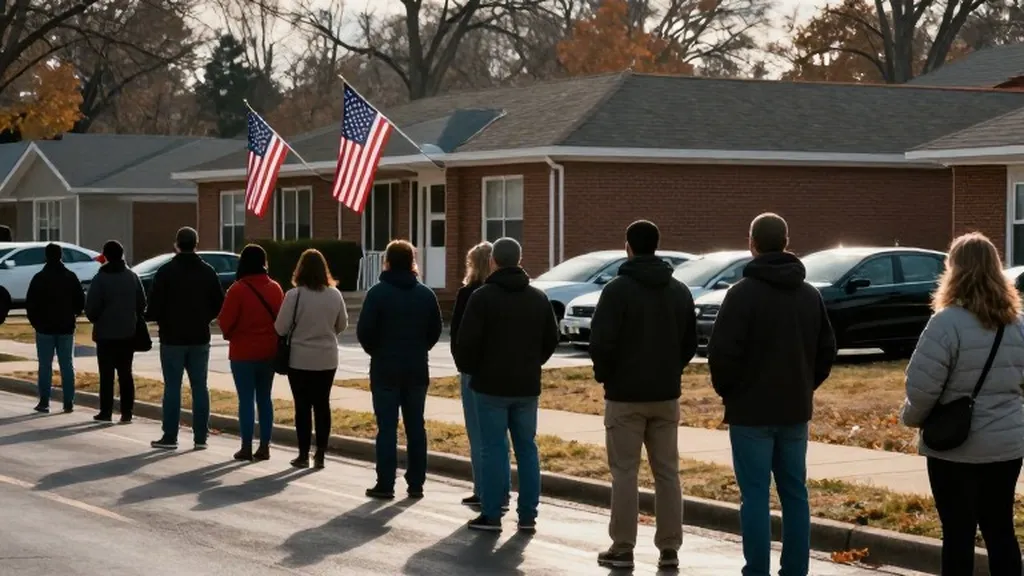
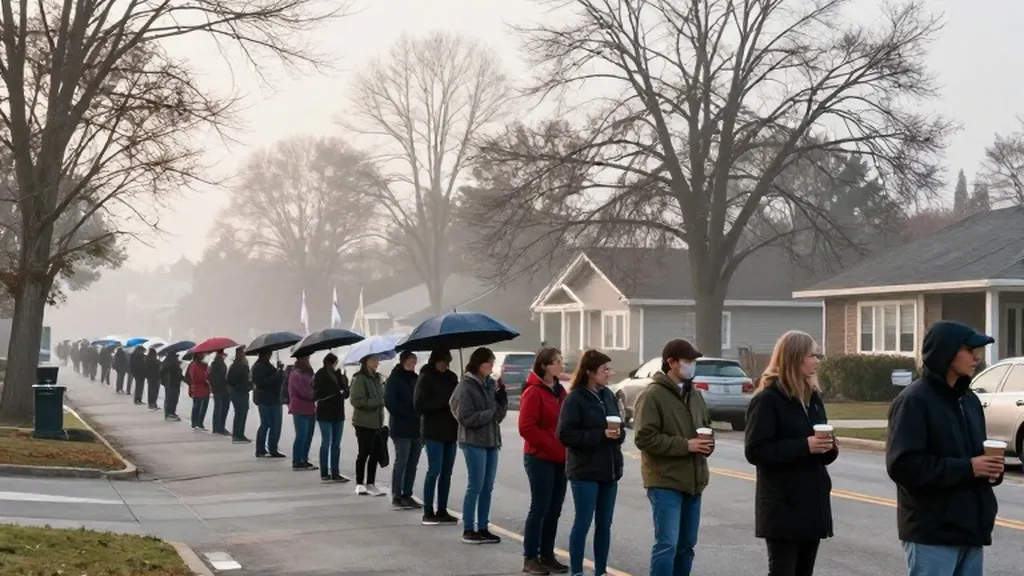
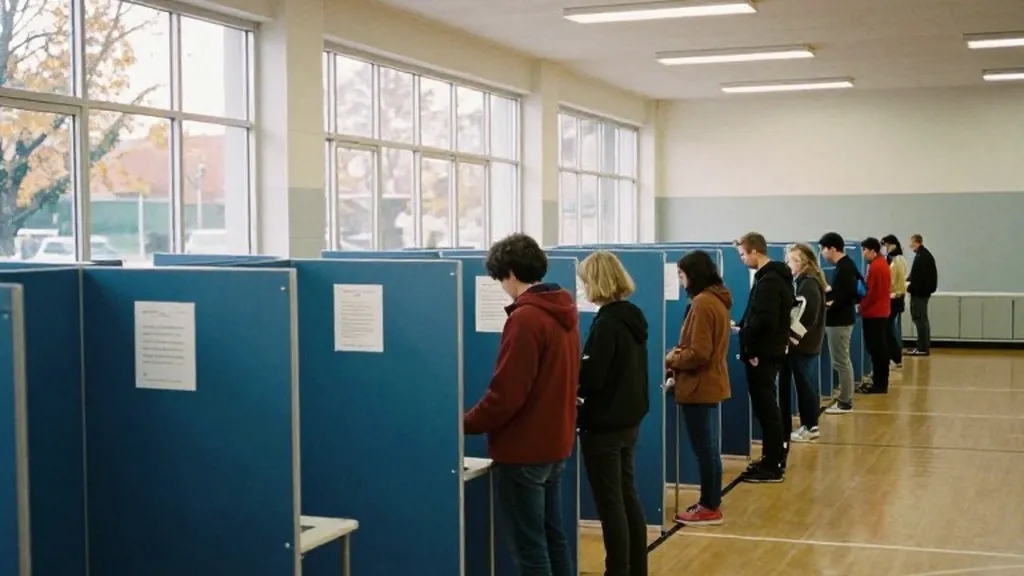
Voters across America are heading to the polls on Tuesday, November 3, 2026, to decide a complex set of races that includes 36 governorships. The stakes for state leadership are unusually high this cycle, as the balance of power in the executive branch of state governments hangs in the balance. Heading into Election Day, Republicans hold 26 governor's offices and Democrats 24. Of the specific offices on the ballot today, each party holds exactly 18, creating a perfectly symmetrical starting point for the contest. This rare parity means that the outcome of these races will directly determine which party controls the majority of statehouses nationwide for the next two years.
The landscape of these 36 races is significantly altered by the number of open seats. Nineteen of the governor races have no incumbent on the ballot. This high number of vacancies is driven by term limits and strategic choices by sitting governors. Fifteen governors are term limited and must step down, while others have chosen to retire or move to new roles. Iowa Governor Kim Reynolds, Minnesota Governor Tim Walz, and Wisconsin Governor Tony Evers all opted not to run for re-election. Additionally, Rhode Island Governor Daniel McKee lost his primary, further adding to the number of open contests. These open seats often attract a wider field of candidates and can lead to more volatile results compared to incumbent challenges.
Nine states are considered battlegrounds for governor, where the outcome remains uncertain. These states are Alaska, Arizona, Georgia, Iowa, Kansas, Michigan, Nevada, Ohio, and Wisconsin. The competitiveness of these races is influenced by the 2024 presidential results and local economic conditions. Democrats are defending five governorships in states that Donald Trump won in 2024. These include Arizona, where Katie Hobbs is running, as well as Kansas, Michigan, Pennsylvania, and Wisconsin. Conversely, Republicans are defending two governorships in states that Kamala Harris won, specifically New Hampshire and Vermont. This dynamic creates a challenging environment for both parties, as they must appeal to voters in states that leaned toward the opposing party's presidential candidate recently.
Several named matchups are drawing national attention and heavy campaign spending. In Georgia, Republican health care executive Rick Jackson is competing against Democratic former Atlanta Mayor Keisha Lance Bottoms. This race is significant because it will determine the next governor to succeed Brian Kemp. In Nevada, Republican Governor Joe Lombardo faces Democratic Attorney General Aaron Ford. The Associated Press has identified Nevada as a competitive race, noting the influence of local economic issues and the broader national mood. In Ohio, Republican Vivek Ramaswamy is running against Democrat Amy Acton. Ramaswamy's campaign has faced media attention due to an advertisement featuring Acton's estranged mother, a detail that has intensified the local debate. These high-profile contests are key indicators of how the wider midterms are playing out.
The Associated Press describes the 2026 midterms as a referendum on President Trump's second term, with many voters expressing frustration over high prices and the ongoing war with Iran. Polling data and NORC shows that 35 percent of U.S. Adults approve of Trump's job performance, while only 25 percent approve of his handling of the economy. Approximately seven in ten adults say the country is heading in the wrong direction, and most blame the president for rising costs. This sentiment is particularly relevant in the governor races, where state-level economic management is a central issue. Voters in battleground states are weighing these national sentiments against local candidates' promises on jobs, healthcare, and infrastructure.
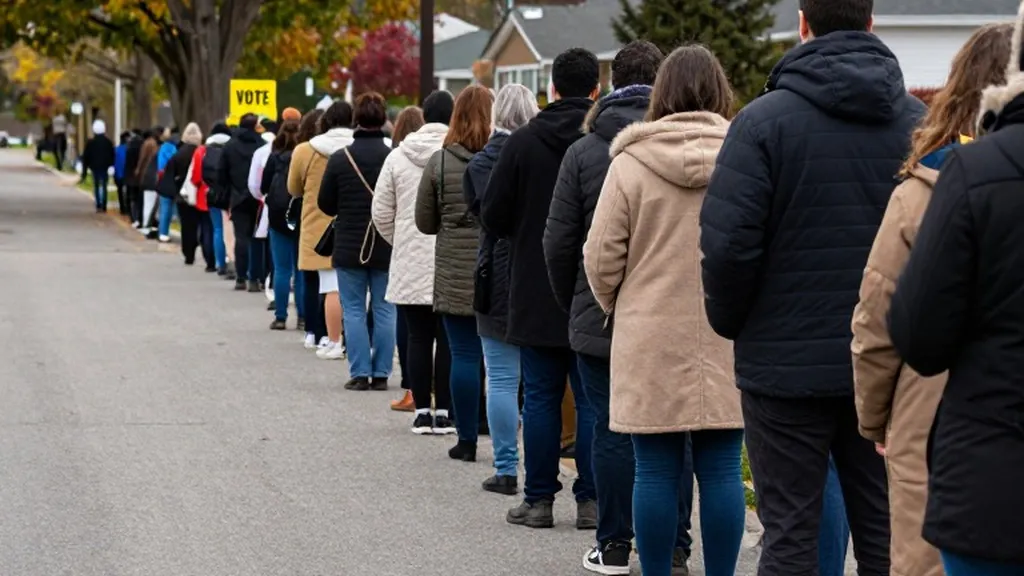
Turnout remains the critical factor in these races. Republican National Committee Chairman Joe Gruters stated that everything depends on turnout, asserting that if Republicans turn out their voters, they will win. Democratic Congressional Campaign Committee Chair Suzan DelBene countered that the American people are angry and want change. More than 57 million people had already voted as of Monday, surpassing the early vote totals from four years ago in many closely watched states. This high level of early participation suggests a robust engagement with the election, which is crucial for determining the outcome in the 19 open governor races. Candidates are focusing their final efforts on mobilizing supporters in the nine battleground states, where the margins of victory are expected to be narrow.
Money is playing a significant role in shaping the governor races. The 2026 elections are likely to be the most expensive in history, with Republican committees outraising and outspending Democratic committees at the national level. However, at the candidate level, Democrats have outraised their opponents. An analysis of AdImpact data shows that 88.1 percent of Republican general election TV ad spending went to states and districts that Trump won in 2024. This includes more than $850 million in states where he won by 10 points or more. Despite this heavy spending, Democrats are hoping to hold a majority of governorships for the first time in two decades. The strategic allocation of funds in the nine battleground states will be a key determinant of success for both parties.
Election administration has been a point of contention, with federal judges issuing orders that impact how votes are counted. A federal judge temporarily barred the Trump administration from carrying out a plan to prevent noncitizen voting, a move critics say risks disenfranchising eligible voters. Another judge ordered the administration to stop demanding that California election officials segregate ballots cast by people on lists of suspected noncitizens. The U.S. Postal Service added hours and staff to ensure mail ballots are counted on time. These administrative moves have added a layer of complexity to the election, particularly in states like California and Alaska, where the administration filed lawsuits related to the certification of results. Voters are advised to check their state's specific rules on ID and polling place locations to ensure their votes are counted without issue.