Trump's High-Energy Midterm Push Meets Candidate Distance and Low Approval
As polls open, the president’s rallies and legal challenges stand in contrast to a cautious Republican strategy focused on turnout.
By Alina Campbell ·
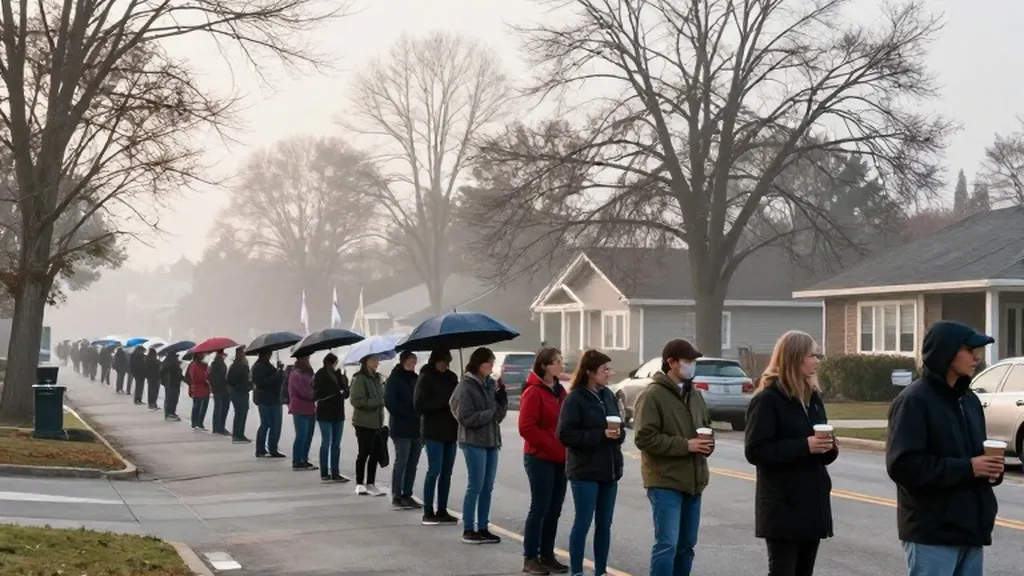
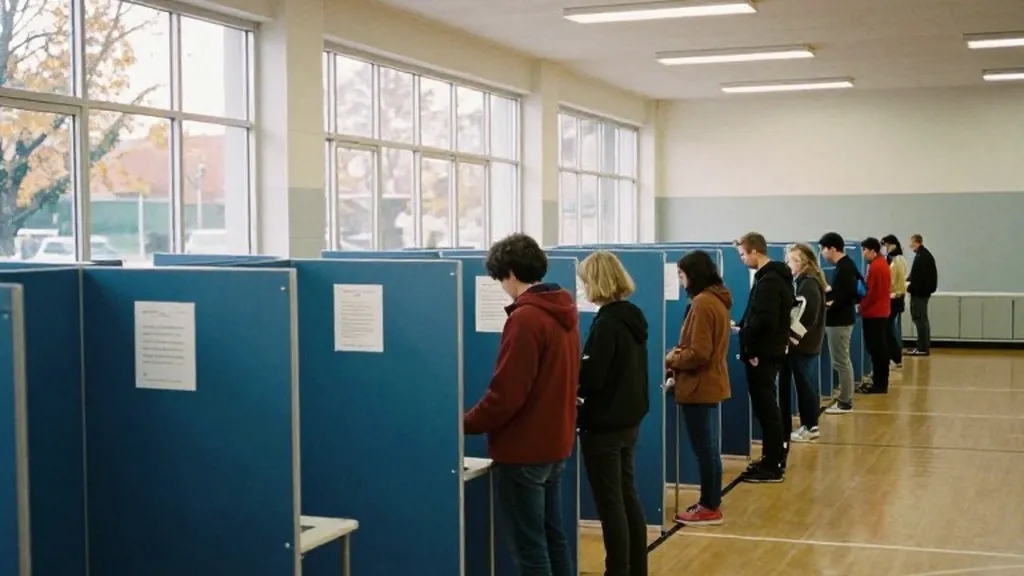
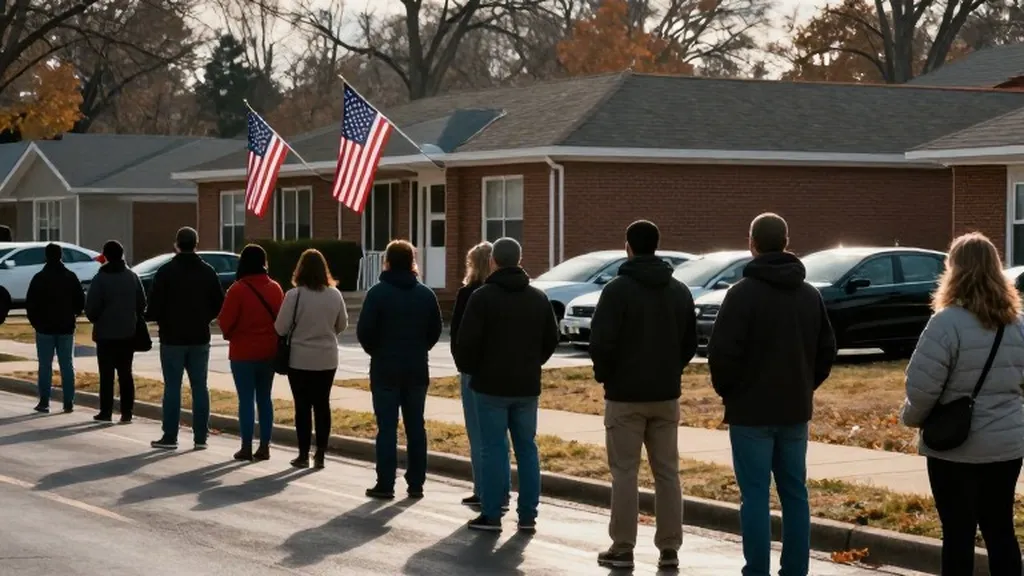
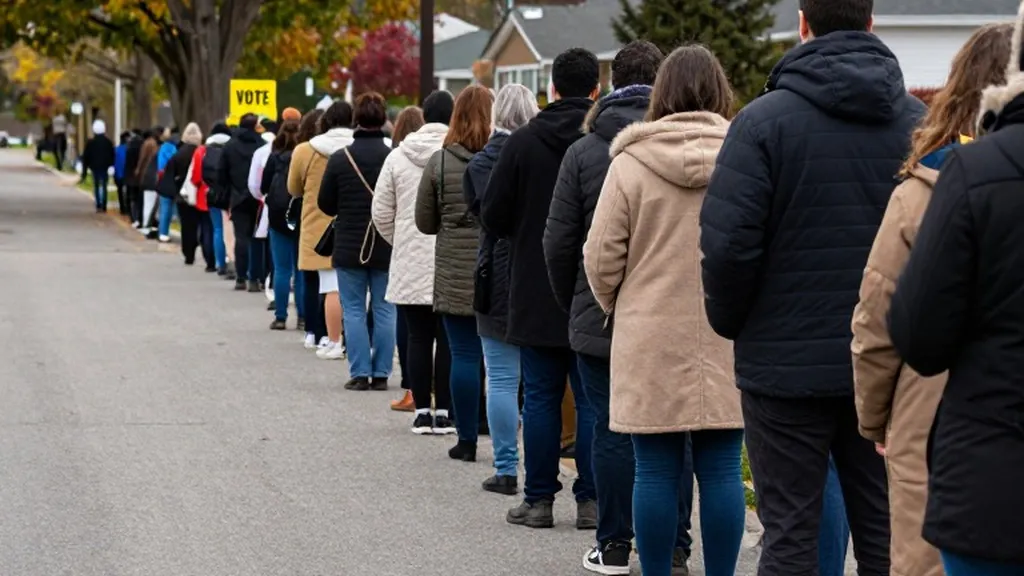
Voters across the nation are heading to the polls on this Tuesday, November 3, 2026, to decide the fate of Congress halfway through President Donald Trump's second term. The Associated Press describes the election as a referendum on the administration, with many citizens expressing frustration over high prices and an unpopular war with Iran. More than 57 million people had already cast their ballots as of Monday, a figure that surpasses the early vote totals from four years ago in many closely watched states. This high level of participation suggests a deeply engaged electorate that is closely monitoring the performance of the executive branch.
President Trump has maintained an active presence on the campaign trail, holding dozens of rallies in the weeks leading up to Election Day. His final event before the vote took place on Sunday in Salina, Kansas, where he urged supporters to imagine his presence in the race. He told the crowd that he really wants them to pretend he is on the ballot. His schedule in the days prior included stops in Mississippi, South Carolina, and Texas, demonstrating a continued focus on states where the outcome of congressional races remains uncertain. This energetic approach contrasts with the more measured tone adopted by many of his partisan allies.
Despite the president's visible enthusiasm, many Republican candidates have kept their distance during the final stretch of the campaign. They are focusing on local issues and the importance of turnout rather than leaning heavily on the national brand. RNC Chairman Joe Gruters emphasized that everything depends on turnout, stating that if the party turns out its voters, they will win. This strategy reflects a recognition that the president's approval numbers may not translate directly into seat gains for his party. The AP-NORC poll indicates that only 35 percent of U.S. adults approve of Trump's job performance, while just 25 percent approve of his handling of the economy.
The economic mood is a central theme in this election, with about seven in ten Americans saying the country is heading in the wrong direction. Most respondents in the AP poll blame the president for the high prices they are encountering. This sentiment is echoed by voters on the ground who are feeling the strain of inflation and rising costs. In Raleigh, North Carolina, voter James Moore, a 57-year-old librarian, noted that he is paying more for taxes, healthcare, and everything else. Conversely, in Palm Beach Gardens, Florida, voter Mark Barker said he has been following Trump closely and believes he is doing an awesome job. These mixed reactions highlight the divided nature of the electorate as they make their final decisions.
The administration has also been involved in legal battles over voting procedures, which have added a layer of complexity to the election day. Trump has continued to make claims about voting fraud, including the assertion that noncitizens vote in large numbers. His administration filed lawsuits in Alaska and California regarding the certification of results and the handling of ballots. A federal judge temporarily barred the administration from carrying out a plan intended to prevent noncitizen voting, a move critics say risks disenfranchising eligible voters. In California, a judge ordered the administration to stop demanding that election officials segregate ballots cast by people on lists of suspected noncitizens.
These legal moves have raised concerns among Democrats about potential interference and intimidation. The Justice Department has threatened to prosecute local election officials, a stance that has heightened tensions in several states. The AP notes that one or two seats could tip the balance of power in either chamber, making these administrative details significant. Republicans are bracing for the possibility of losing the House and are fighting to hold the Senate. Democrats, meanwhile, are described as cautiously optimistic, hoping to capitalize on voter dissatisfaction with the current economic conditions. The outcome will determine who controls Congress for the president's final two years in office.
The financial landscape of the 2026 elections is also noteworthy, as these contests are likely to be the most expensive in history. Republican committees outraised and outspent their Democratic counterparts, aided by Trump-affiliated groups and billionaire Elon Musk. However, at the candidate level, Democrats managed to outraise their opponents. An analysis of advertising data by the AP shows that 88.1 percent of Republican general election TV ad spending went to states and districts that Trump won in 2024. This includes more than $850 million spent in areas where he won by 10 points or more, indicating a strategy of reinforcing support in strongholds while battling for competitive districts.
In the Senate, the fight for control is intense, with 35 seats up for grabs. Republicans hold 53 seats, while Democrats hold 45, plus two independents who caucus with the minority. Democrats need a net gain of four seats to take the majority, whereas Republicans can afford to lose only two. Key battlegrounds include Iowa, Kansas, and Georgia, where the margin of victory in the 2024 presidential election was relatively narrow. In Iowa, the seat is open due to the retirement of Joni Ernst, and the race is rated as a toss-up or a slight tilt toward the Republicans. In Kansas, a traditionally Republican state, the competition is fierce, with the race rated from toss-up to lean Republican.
Governor's races are also critical, with 36 offices on the ballot. Republicans currently hold 26 governorships, and Democrats hold 24. Democrats are hoping to take a majority of governorships for the first time in two decades. Competitive races include Georgia, where Republican Rick Jackson faces Democratic former Atlanta Mayor Keisha Lance Bottoms. In Ohio, Vivek Ramaswamy is running against Democrat Amy Acton, a race that has seen some controversy over campaign advertisements. The AP identifies Texas, Florida, and Iowa as competitive governor races, with the potential for significant shifts in state power depending on the turnout and local issues.