Midterm math: How both parties are fighting to break the historical seat-loss pattern
With all 435 House seats and 35 Senate seats on the line, Republican and Democratic leaders are deploying redistricting, heavy spending, and turnout strategies to defy the trend of the president's party losing ground.
By Samir Doyle ·
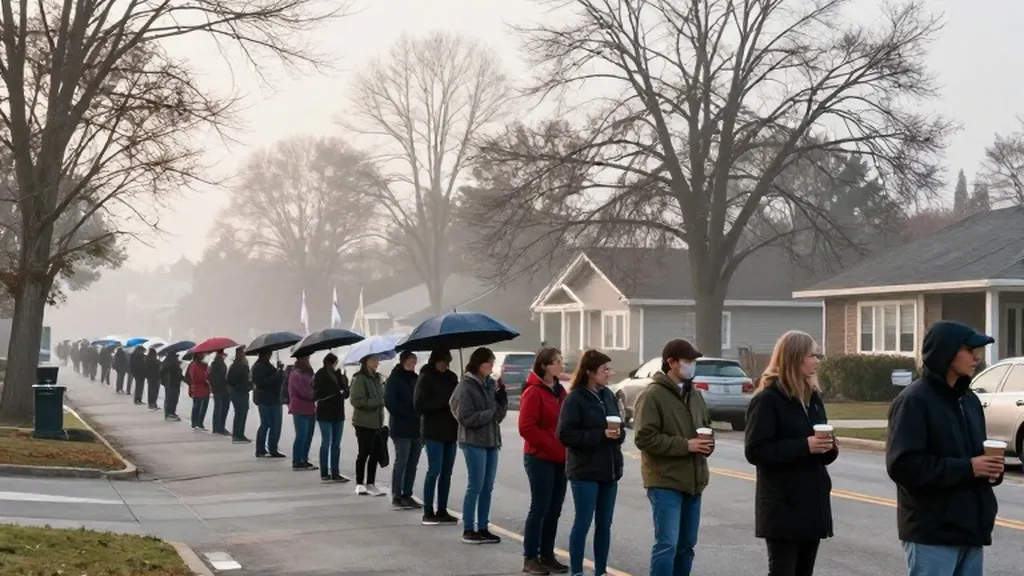
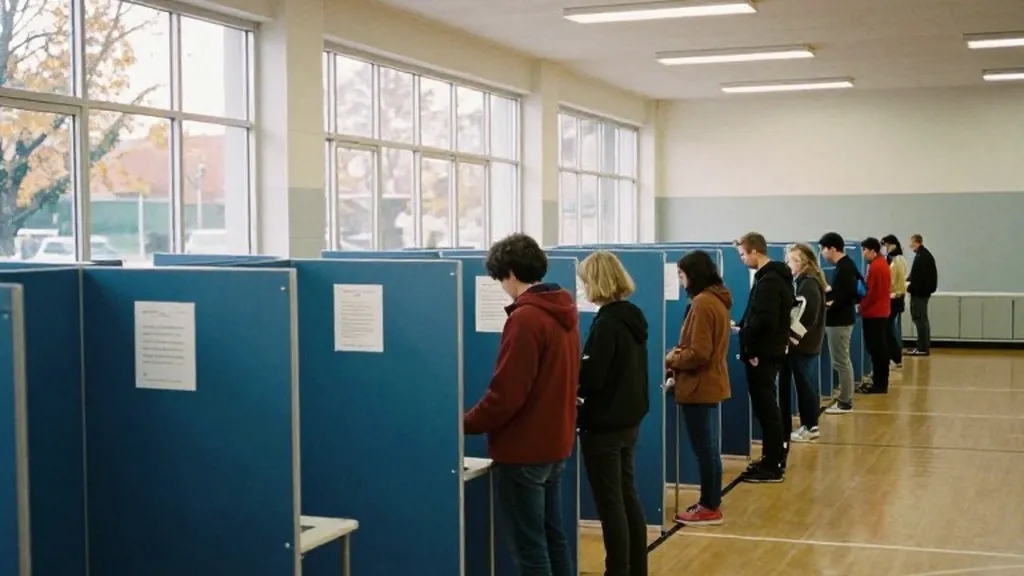
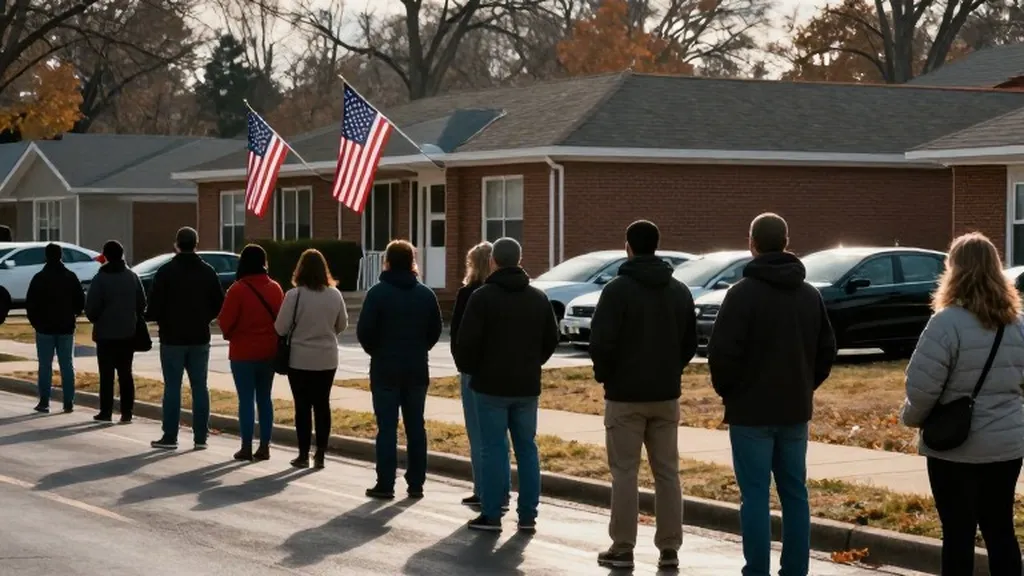
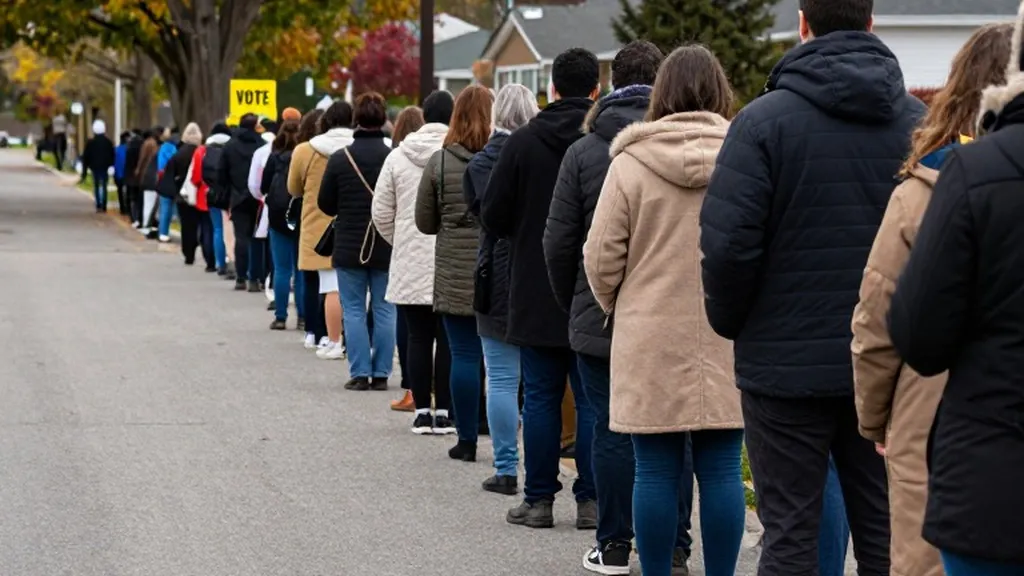
History offers a stark warning for the party in power during midterm elections. In nearly every cycle since the mid-twentieth century, the president's party has lost seats in Congress. This Tuesday, November 3, 2026, voters across America are heading to the polls to decide who will control the House and Senate for the final two years of President Donald Trump's second term. The stakes are high, as the outcome will determine the balance of power in Washington and the trajectory of national policy.
Republicans currently hold a narrow majority in the House with 218 seats, while Democrats hold 214. Democrats need a net gain of three districts to claim the chamber, whereas Republicans can lose no more than two seats to maintain their majority. In the Senate, Republicans hold 53 seats to the Democrats' 45, plus two independents who caucus with the minority. Democrats require a net gain of four seats to take control, while Republicans can afford to lose only two. These margins make the election a tight contest where a few districts could swing the balance of power.
Both parties have worked hard to beat the historical pattern of losses. Republicans have leaned heavily on redistricting, with six states using new congressional maps after mid-decade adjustments. New maps are in place in California, Florida, Missouri, North Carolina, Tennessee, and Texas, with Ohio also adopting a new district plan. These changes were designed to solidify Republican advantages, though analysts note that new districts may not always vote as drawn. Republicans were bracing to lose the House but are fighting hard to hold the Senate, where one or two seats could tip the outcome.
Democrats, meanwhile, are relying on a narrative of economic frustration. The Associated Press describes the election as a referendum on the president's second term, with voters struggling with high prices and angry over an unpopular war with Iran. Polling from the AP-NORC Center for Public Affairs Research indicates that 35 percent of U.S. Adults approve of Trump's job performance, while only 25 percent approve of his handling of the economy. About seven in ten Americans say the country is heading in the wrong direction, with most blaming the president for rising costs. This sentiment is driving a cautious optimism among Democratic leaders, who see an opportunity to regain control of at least one chamber.
Turnout is the critical variable that both parties are targeting. Joe Gruters, the chairman of the Republican National Committee, stated that everything depends on turnout, asserting that if they turn out their voters, they win. In contrast, Suzan DelBene, the chair of the Democratic Congressional Campaign Committee, said the American people are angry and want change. More than 57 million people had already voted as of Monday, surpassing the early vote totals from four years ago in many closely watched states. This high level of early participation suggests that the final numbers will be close, making the last few days of campaigning essential.
Money has played a significant role in shaping the race. The 2026 elections are likely to be the most expensive in history. Republican committees outraised and outspent their Democratic counterparts, aided by Trump-affiliated groups and Elon Musk. However, at the candidate level, Democrats outraised their opponents. An analysis of AdImpact data shows that 88.1 percent of Republican general election TV ad spending went to states and districts that Trump won in 2024. This strategy reflects a focus on protecting incumbents in safe Republican areas while also targeting competitive districts where every vote counts.
Senate races are particularly intense, with 35 seats on the ballot. Ballotpedia identifies 13 of these races as battlegrounds, including key states like Georgia, Iowa, Kansas, and Maine. In Georgia, Jon Ossoff is defending his seat against Republican Rep. Mike Collins. In Iowa, an open seat is being contested after Sen. Joni Ernst retired, with the state having voted strongly for Trump in 2024. In Maine, Sen. Susan Collins faces a tough challenge from Troy Jackson, with the AP noting that economic strain and tariffs have made the state competitive. These races could determine the final tally in the Senate, where Democrats need a net gain of four seats to take control.
Governorships are also up for grabs in 36 states, adding another layer to the political landscape. Republicans hold 26 governor's offices and Democrats hold 24, with 18 races in each party's column. Democrats hope to hold a majority of governorships for the first time in two decades, a feat they have not achieved since 2010. Key races include Georgia, where Republican Rick Jackson faces Democratic Keisha Lance Bottoms, and Ohio, where Vivek Ramaswamy runs against Amy Acton. These state-level races often serve as a bellwether for national trends, reflecting local concerns about the economy and public safety.
The administration has also been involved in election administration, with a federal judge temporarily barring the Trump administration from carrying out a plan to prevent noncitizen voting. Critics argue that this move risks disenfranchising eligible voters and infringes on states' authority over elections. Additionally, a judge ordered the administration to stop demanding that California election officials segregate ballots cast by people on lists of suspected noncitizens. The U.S. Postal Service has added hours, staff, and special lines to ensure that mail ballots are counted on time, highlighting the logistical efforts required to manage a high-volume election.
Voters are making their decisions based on a mix of national and local issues. Mark Barker, a voter in Palm Beach Gardens, Florida, said he has been following Trump the whole time and believes he is doing an awesome job. James Moore, a 57-year-old librarian in Raleigh, North Carolina, expressed frustration over rising costs, stating that he is paying more taxes, more for healthcare, and more for everything. These personal stories reflect the broader divide in the electorate, with some voters prioritizing the president's leadership and others focusing on the cost of living.