Senate Math: Republicans Hold 53 Seats, But 13 Races Could Shift Control
With 35 seats on the ballot and Democrats needing a net gain of four, the outcome hinges on a tight cluster of battleground states where ratings remain divided.
By Alina Campbell ·
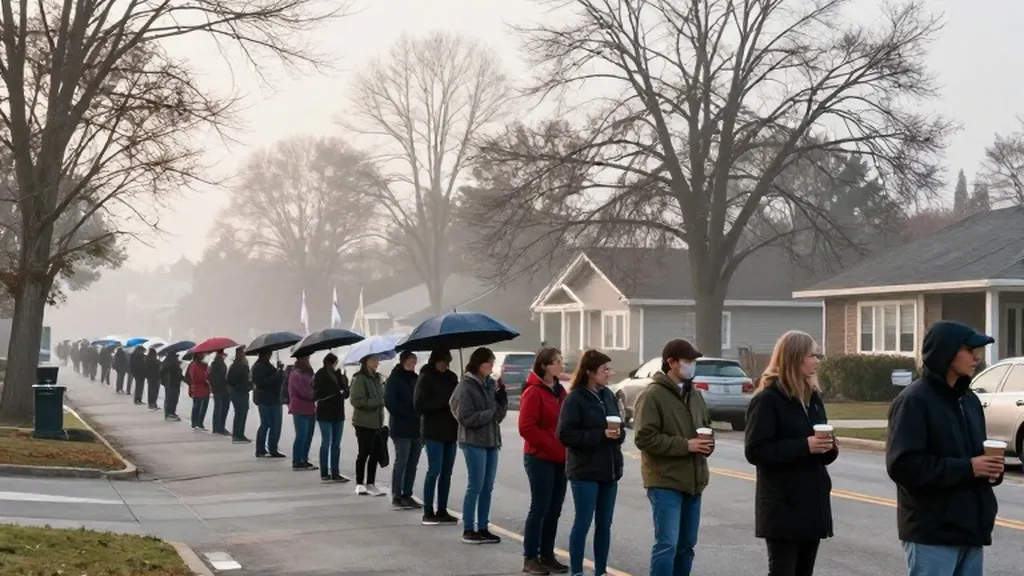
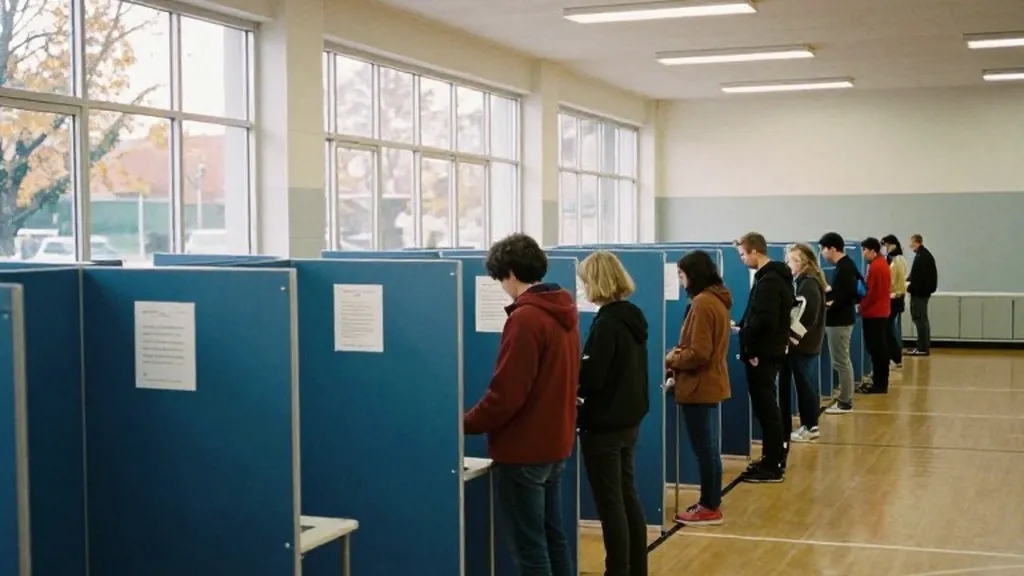
Americans are casting ballots on Tuesday, November 3, 2026, in midterm elections that will determine the balance of power in Congress for the final two years of President Donald Trump's second term. The Senate race is particularly critical, as 35 of the 100 seats are up for grabs, including 33 regular elections and two special elections for the remainder of the terms held by Marco Rubio in Florida and JD Vance in Ohio. Republicans currently hold a 53 to 45 majority, including two independents who caucus with Democrats. To seize control of the chamber, Democrats must achieve a net gain of four seats, while Republicans can afford to lose only two.
The path to a change in the Senate is narrow and concentrated in thirteen specific races identified by Ballotpedia. These battlegrounds include Alaska, Florida, Georgia, Iowa, Kansas, Maine, Michigan, Montana, Nebraska, New Hampshire, North Carolina, Ohio, and Texas. The competitive nature of these states is underscored by the 2024 presidential margins, which ranged from Trump winning Nebraska by 20.3 points to Harris winning Maine by 6.9 points. In states like Maine and New Hampshire, where President Trump lost in 2024, Democratic incumbents or challengers are defending seats that have historically leaned Republican, creating a complex dynamic for party strategists.
According to ratings from Cook, Decision Desk, Inside Elections, and Sabato released on October 27, the field is evenly split. Maine is rated a toss-up by all four organizations, making it a pivotal state where the outcome could swing either way. Iowa is rated a toss-up or tilting Republican, while Kansas is seen as a toss-up to lean Republican. Conversely, Alaska and Michigan are rated toss-up to lean Democratic, and Georgia is considered lean to likely Democratic. These assessments suggest that small shifts in voter turnout or late-breaking developments could determine which party retains the upper hand in the Senate.
Several high-profile matchups are drawing national attention due to their potential impact on the overall tally. In North Carolina, Democratic former Governor Roy Cooper faces Michael Whatley, former chairman of the Republican National Committee, in a race to replace retiring Senator Thom Tillis. In Georgia, Senator Jon Ossoff is defending his seat against Republican Representative Mike Collins. Ohio features a contest between Democratic former Senator Sherrod Brown and Republican Senator Jon Husted, while Michigan sees Republican former Representative Mike Rogers competing against Democrat Abdul El-Sayed. The AP notes that economic strain and tariffs have made Maine competitive, where Senator Susan Collins faces Democratic former state Senate President Troy Jackson.
The stakes in these races are elevated by the broader political context, with the Associated Press describing the election as a referendum on Trump's second term. Voters are grappling with high prices and dissatisfaction with the administration's handling of the economy, as indicated by AP-NORC polling showing that only 25 percent of adults approve of his economic performance. Despite this, Republicans are bracing for potential losses in the House while fighting to maintain their Senate majority. The AP reports that one or two seats could tip either chamber, highlighting the razor-thin margins that define this election cycle.
In Texas, Republican Attorney General Ken Paxton, whom Trump backed over Senator John Cornyn in the primary, faces Democrat James Talarico. This race is significant given Texas's status as a large, Republican-leaning state that Trump won by 13.6 points in 2024. In New Hampshire, Democratic Representative Chris Pappas challenges former Republican Senator John E. Sununu for the seat of retiring Democrat Jeanne Shaheen. The competition for the Senate is not just about individual seats but about the overall arithmetic required to shift control, with Democrats needing to outperform in multiple states simultaneously to reach the necessary net gain.
Financial resources have played a major role in shaping these races, with the 2026 elections likely becoming the most expensive in history. Republican committees have outspent Democratic committees, aided by Trump-affiliated groups and Elon Musk, yet Democrats have outraised their opponents at the candidate level. An analysis by the AP of AdImpact data shows that 88.1 percent of Republican general election TV ad spending went to states and districts Trump won in 2024, including more than $850 million in areas where he won by 10 points or more. This strategic allocation of funds underscores the Republican focus on defending their strongholds while contesting the few states where the margins are tightest.
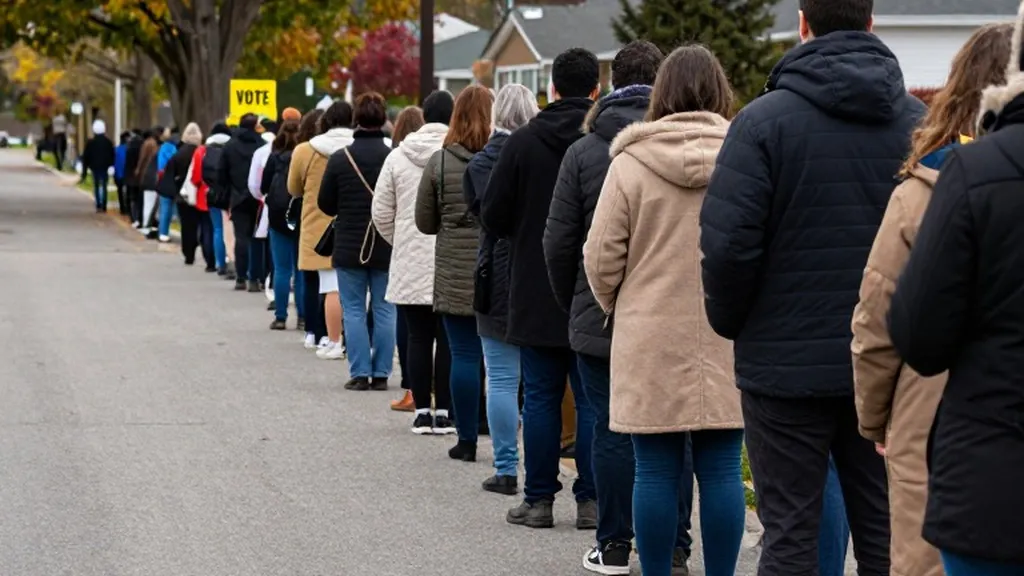
The mood among voters is mixed, with more than 57 million people having already cast ballots as of Monday, surpassing early vote totals from four years ago in many closely watched states. RNC Chairman Joe Gruters emphasized that everything depends on turnout, stating that if Republicans turn out their voters, they will win. In contrast, DCCC Chair Rep. Suzan DelBene noted that the American people are angry and want change. Voter sentiment reflects these divergent views, with some supporters praising Trump's leadership while others cite rising costs for healthcare, taxes, and general goods as primary motivations for their vote.
Election administration has also been a point of contention, with a federal judge temporarily barring the Trump administration from implementing a plan to prevent noncitizen voting and ordering it to stop demanding that California officials segregate ballots from suspected noncitizens. The U.S. Postal Service has added staff and hours to ensure mail ballots are counted on time, a critical step in states where mail voting is prevalent. These administrative measures aim to ensure that the vote of every eligible citizen is counted accurately, a task that will be scrutinized closely given the tight margins in the thirteen battleground Senate races.