Democrats Break Midterm Curse, Seize Congress as Economy, War Drive Historic Shift
Democrats gained 33 House seats and the Senate majority as voters punished the president's party over inflation and the Iran conflict.
By Samir Doyle ·
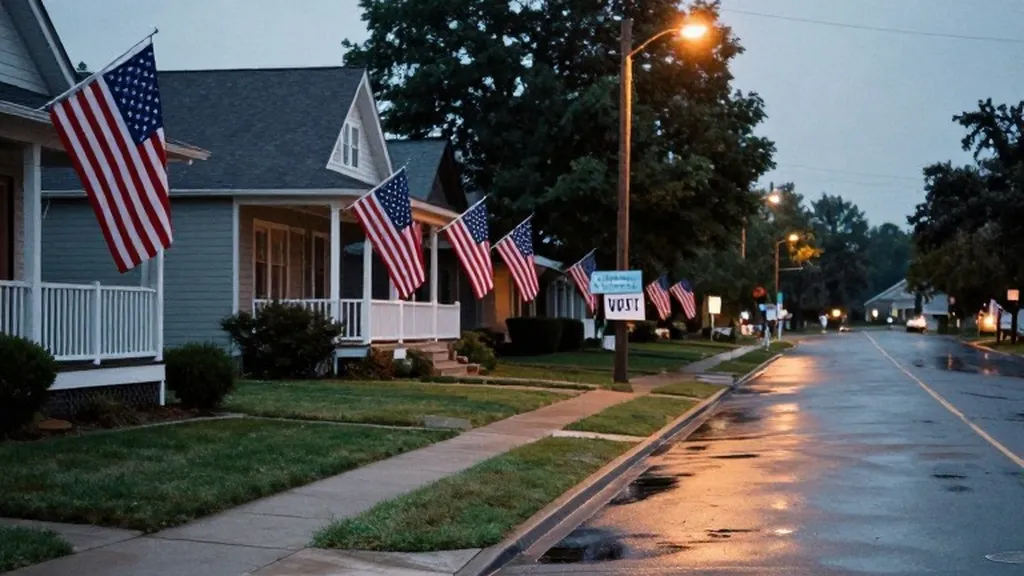
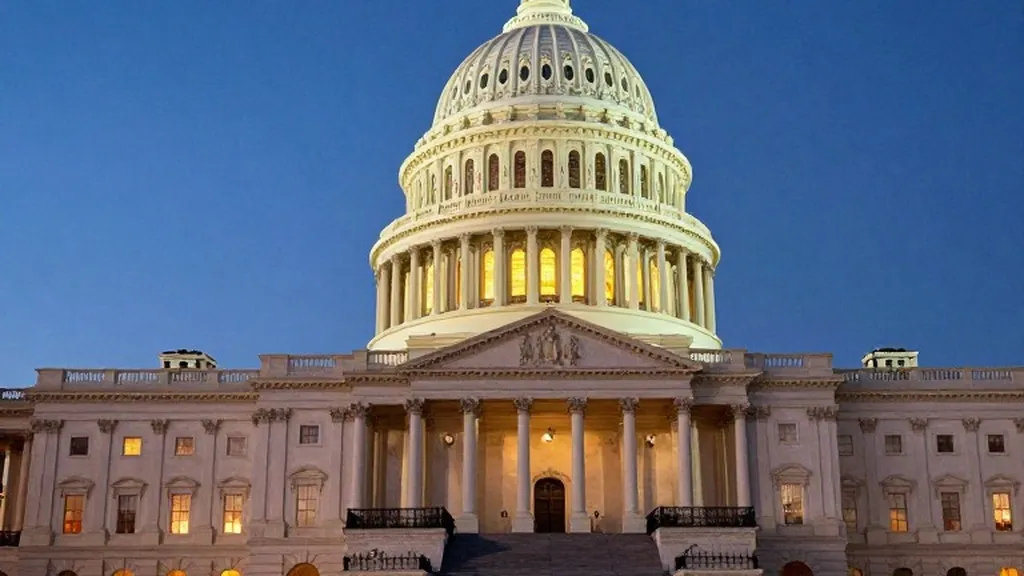
History suggests that the party in power usually loses seats in midterm elections, but the 2026 results exceeded even that predictable pattern. Democrats won 238 of the 435 U.S. House seats, a net gain of 33 seats over the Republicans. This result handed Democrats full control of the House, which they had held before the 2024 elections but lost to the Republicans. The shift was equally dramatic in the Senate, where Democrats won 20 of the 35 contested seats as of the latest tallies, securing the chamber majority.
President Donald Trump, who had campaigned vigorously in red states, faced a party that struggled to replicate his 2024 victory without him on the ballot. More than 59 million people cast ballots before Election Day, surpassing early voting turnout from 2022. Despite Trump's efforts to energize his base, the electorate expressed deep dissatisfaction with the direction of the country. Three-quarters of voters felt angry or dissatisfied with the nation's current trajectory, a sentiment that transcended traditional party lines.
Economic concerns were the primary driver of this political upheaval. Three-quarters of voters described the economy as not so good or poor. Approximately 80 percent of respondents reported that inflation had caused moderate or severe financial hardship for their households. Record Election Day diesel and gasoline prices, driven partly by the ongoing conflict with Iran, further aggravated these feelings. Voters cited the cost of living as a crucial factor in their decision, often prioritizing it over immigration enforcement or the war in the Middle East.
The war in Iran, which had been ongoing for eight months, played a significant role in the Republican defeat. The conflict contributed to elevated global costs and regional instability. Trump had threatened to return to full-scale bombardment if Tehran did not settle on his terms, but the results suggested voters were weary of the engagement. Trump, in his first post-election comments, agreed with Vice President JD Vance that the war had been a catastrophe for the Republican Party, yet he remained committed to a definitive resolution.
Democrats capitalized on these frustrations by framing the election as a referendum on corruption and the cost of living. Hakeem Jeffries, who is poised to become House Speaker, vowed to use the new majority's subpoena powers to probe self-enrichment by the president and his associates. Sen. Chuck Schumer, expected to return as Senate Majority Leader, emphasized that no American should have to make tradeoffs at the supermarket while the president makes inside trades on the stock market. This focus on accountability resonated with voters who had long complained about the disconnect between Washington and their daily realities.
The Republican Party had attempted to counteract the midterm pattern by focusing on border security and the legacy of their 2024 victory. However, the unprecedented national effort to reshape House districts across the country failed to stem the Democratic tide. The party's intended seawall was swept aside by a Democratic tsunami. In the Senate, Democrats flipped seven seats, including in states like Iowa, Kansas, and Ohio, which had been considered solid Republican territory. This breadth of success indicated a broad coalition of voters rather than a narrow demographic shift.
Governor races also reflected the national trend, with Democrats winning 22 of the 36 contested offices. This included gains in Georgia, Iowa, Ohio, and Texas, states that had previously leaned Republican. The loss of these governorships marked a significant change in state-level power, as Democrats secured a majority of governorships for the first time since 2010. This shift in state leadership could influence future redistricting efforts and legislative priorities, potentially setting the stage for a more competitive 2028 presidential race.
Among the most notable individual victories was Abdul El-Sayed's win in Michigan, making him the first Muslim American U.S. Senator. El-Sayed's victory speech, which included Arabic terms of affection, was celebrated by Arabs from Michigan to the Middle East. His win was a symbolic break from the past, as he had been the target of Islamophobic rhetoric during the campaign. Trump had referred to him as a jihadist, but El-Sayed's victory demonstrated that voters were willing to support candidates with diverse backgrounds when they addressed their economic concerns.
The results also highlighted a shift among Latino voters, who had fueled Republican gains in recent elections but swung back toward Democrats in 2026. This shift occurred in border counties of Texas and meatpacking towns in Kansas. This demographic realignment was crucial in several battleground states and contributed to the Democratic sweep in the House. The party's ability to mobilize these voters, combined with high turnout among young and first-time voters, created a wave that was difficult for the incumbent party to resist.
Looking ahead, the new Democratic leadership faces the challenge of governing with a divided government. While they control Congress, President Trump remains in the White House with the power to veto legislation. Investors are focused on the risk of standoffs over the government's borrowing limit. Democrats will need to navigate these tensions carefully as they implement their oversight agenda and push for policy changes. The midterm pattern has held, but the scale of the shift suggests that the political landscape has fundamentally changed.
The election results were confirmed by multiple sources, including Ballotpedia and the Associated Press, which provided detailed counts of seats won by each party. The data showed a clear trend of Democratic gains across all major federal offices. This comprehensive victory for the Democrats underscores the volatility of the current political environment and the power of economic dissatisfaction to drive electoral change. The next few years will likely be defined by the battles between the new congressional majority and the White House.