Democrats Sweep Both Chambers as Voters Cite Economy and Corruption
Republicans lost control of the House and Senate in a decisive shift driven by high gas prices and the ongoing conflict with Iran.
By Alina Campbell ·
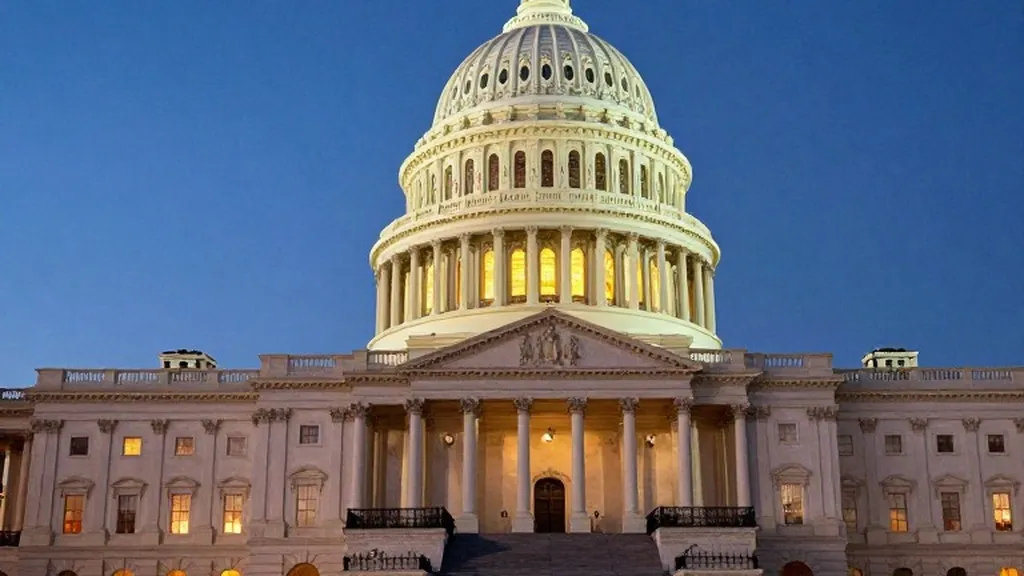
The 2026 midterm elections resulted in a historic transfer of power, with Democrats securing majorities in both the U.S. House of Representatives and the U.S. Senate. This outcome marks a significant check on the presidency of Donald Trump, whose administration faced intense scrutiny over economic management and foreign policy. The new congressional balance will take effect on January 3, 2027, fundamentally altering the legislative landscape in Washington.
In the House of Representatives, Democrats won 248 seats compared to 150 for Republicans as of late reporting on November 5. This represents a net gain of 33 seats for the Democratic Party, shifting control from the Republican majority that held 220 seats before the election. The margin of victory far exceeded the net gain of three seats required for Democrats to claim the chamber, signaling a strong mandate from voters dissatisfied with the current direction of the country.
The Senate race also flipped to Democratic control. Democrats won 20 of the 35 contested seats, while Republicans captured 13. With two seats still uncalled, the projected majority ensures that Democrats will hold the gavel in the upper chamber. This shift follows a campaign where Democrats defended key seats in states President Trump won in 2024, including Georgia and Michigan, while Republicans struggled to retain their 53 to 47 advantage.
Voter sentiment played a decisive role in the results. An Associated Press approval poll indicated that three-quarters of voters viewed the economy as poor or not so good. Approximately 80 percent of respondents reported that inflation had caused moderate or severe financial hardship for their households. These economic concerns, coupled with rising gas prices, drove turnout and helped push the Republican Party out of its position of dominance in Congress.
The war in Iran also weighed heavily on the electorate. The conflict, which has lasted eight months, contributed to elevated costs in various sectors and heightened anxiety about global stability. President Trump suggested in his first post-election comments that the election losses would not significantly alter his strategic calculations regarding the conflict. However, the new Democratic majority in Congress is expected to exert greater oversight and pressure on executive decisions involving military engagement and foreign policy.
Government corruption emerged as a central theme for many voters, with roughly half citing it as a crucial factor in their choice for Congress. This concern surpassed issues such as immigration enforcement and the war in Iran in terms of perceived importance. The new Democratic leadership has already signaled its intent to use its majority to ramp up congressional investigations, focusing on executive branch activities and the business dealings of the Trump family.
State-level races also reflected the national trend. Democrats gained control of five governorships, flipping offices in Georgia, Iowa, Ohio, and Texas. This shift means that Democrats now hold a majority of governorships nationwide, ending a long period of Republican dominance in state executive offices. The change in state leadership will influence local policy priorities, including infrastructure spending and regulatory enforcement in key economic sectors.
The election also saw a historic wave of new representatives, with voters electing a diverse slate of women, candidates of color, and other underrepresented politicians. This reshaping of the congressional face was accompanied by a focus on accountability and transparency. The new members are expected to bring fresh perspectives to legislative debates, particularly regarding the cost of living and the need for stronger checks on executive power.
For the American public, the immediate impact of the election results will be felt in the upcoming appropriations process. Democrats now control the funding mechanisms that dictate government spending, a power they plan to use to scrutinize executive projects and prioritize domestic needs. This shift in fiscal control represents a tangible change in how the government operates, moving away from the Republican-led approach that characterized the previous two years.
The election results underscore a electorate that is frustrated with the status quo and eager for change. With both chambers under Democratic control, the path for legislative action is clearer, though it also sets the stage for potential gridlock with the White House. The coming months will test the ability of the new Congress to deliver on the promises of economic relief and accountability that resonated with voters on Election Day.
As the new Congress prepares to convene, the focus will turn to specific policy battles, including the future of the Iran conflict and the management of federal budgets. The strong showing by Democrats suggests that voters are willing to support a unified front for oversight, even as they continue to grapple with the daily realities of high prices and global uncertainty. The political landscape in America has been fundamentally redrawn, with the balance of power now firmly in the hands of the Democratic Party.