Record spending and targeted ads define 2026 midterm race
Republican committees outspent Democrats at the committee level while the party held a candidate-level fundraising advantage.
By Marco Whitaker ·
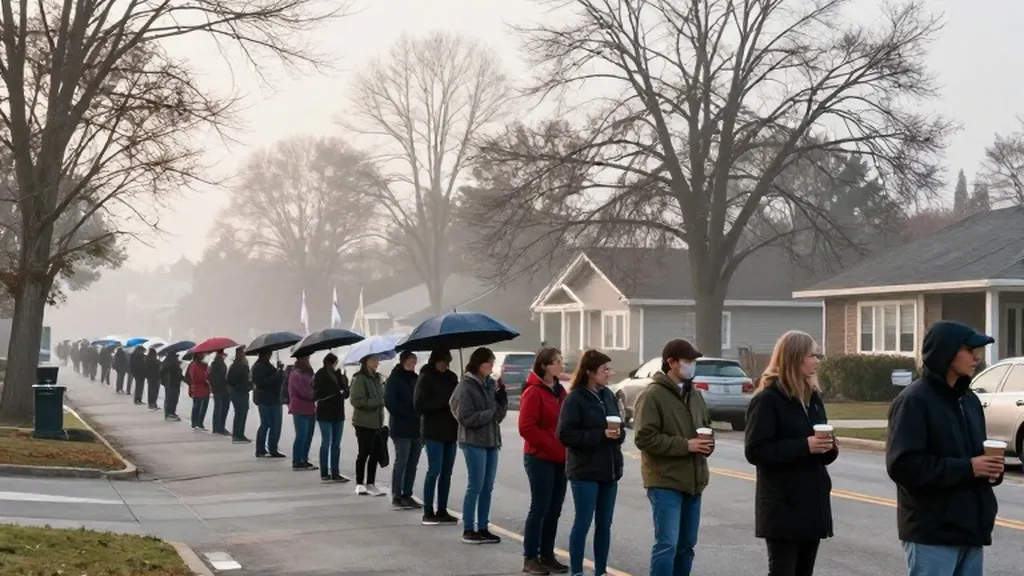
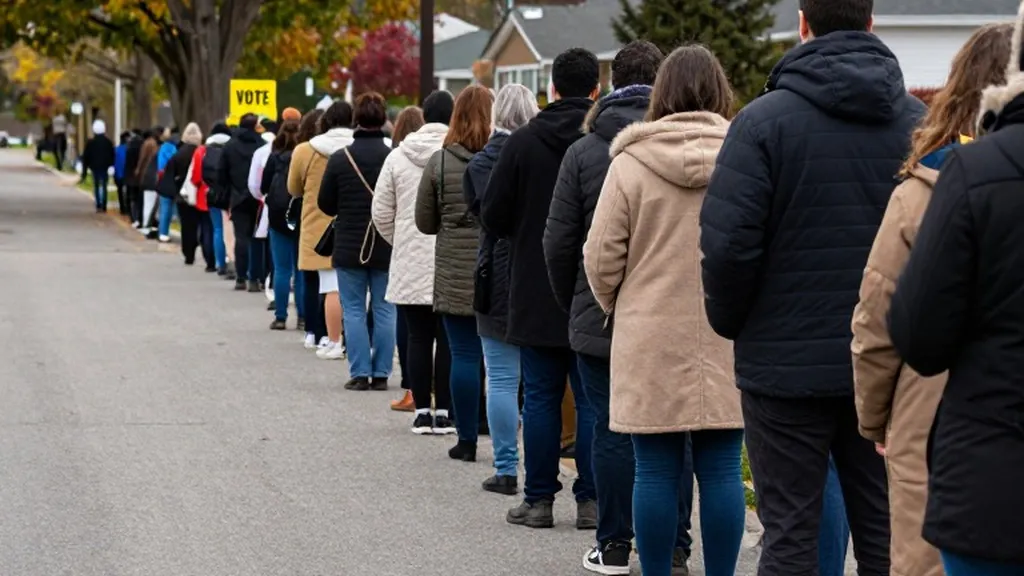
Election Day arrives with a focus on the unprecedented financial scale of the 2026 midterm elections. This cycle is likely to be the most expensive in history. The spending reflects the high stakes of determining congressional control for the final two years of President Donald Trump's second term. Voters are casting ballots in a contest where money has played a central role in shaping the message.
An analysis of data from AdImpact reveals a distinct strategy in how funds were deployed. Republican committees outraised and outspent their Democratic counterparts at the committee level. This advantage was bolstered by contributions from Trump affiliated groups and billionaire Elon Musk. The financial disparity at the top level suggests a coordinated effort to dominate the airwaves in key states.
However, the picture is more nuanced at the candidate level. Democrats outraised their Republican opponents when looking at individual campaigns. This candidate level edge indicates that Democratic incumbents and challengers were able to secure significant resources for their specific races. The divergence between committee spending and candidate fundraising highlights the different financial structures of the two parties in this cycle.
The distribution of Republican spending was heavily concentrated in areas where the President has strong support. 88.1 percent of Republican general election television ad spending went to states and districts that Trump won in 2024. This strategic focus aims to shore up the base in red states and districts. It reflects a defensive posture aimed at protecting existing seats in the House and Senate.
A substantial portion of that budget was directed toward solidly Republican areas. More than 850 million dollars in advertising was spent in districts where Trump won by 10 points or more in the previous election. This heavy investment in safe seats contrasts with the limited resources available for competitive districts. It suggests that Republican committees prioritized reinforcing loyalty in areas that already lean strongly toward their party.
In contrast, Democratic spending was more evenly distributed across competitive battlegrounds. The party focused its resources on the 46 House districts and 13 Senate races that polling organizations rate as competitive. This approach allows for more frequent airtime in states like Georgia, Michigan, and Pennsylvania. The goal is to turn out voters in districts where the margin of victory is narrow.
The financial landscape of the election also reflects the broader mood of the electorate. The Associated Press describes the vote as a referendum on the President's performance, with many voters expressing concern over high prices and the economy. This economic anxiety has driven significant spending on ads that highlight the cost of living. Both parties have poured money into messages that address inflation and household budgets.
Republican leadership emphasized the importance of turnout in their financial strategy. RNC Chairman Joe Gruters stated that everything depends on voter participation. His comments underscore the belief that a high turnout will secure the party's goals. The heavy spending in red states supports this effort by keeping the base engaged and informed throughout the campaign.
Democratic leaders pointed to the anger of the American people as a motivator for their fundraising efforts. DCCC Chair Rep. Suzan DelBene noted that voters want change. This sentiment was reflected in the candidate level fundraising advantage. Democratic campaigns leveraged this mood to attract donations from supporters who are dissatisfied with the current direction of the country.
The election also features a significant number of open seats and retiring incumbents. This creates opportunities for challengers to spend money in districts without a strong incumbent presence. The new congressional maps in six states, including Texas and Florida, also influence where money is spent. These redistricting changes have created new competitive dynamics that require targeted advertising.
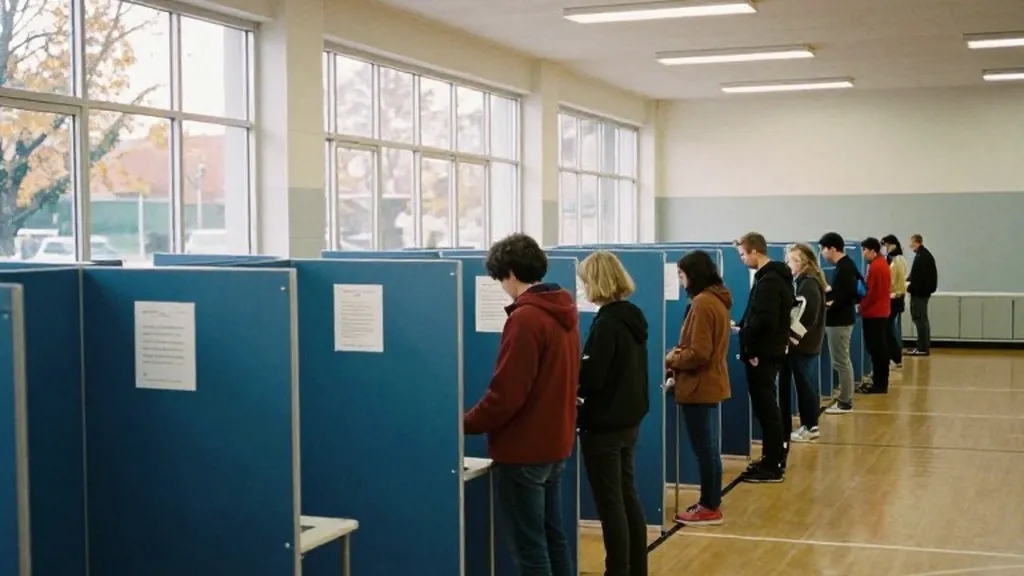
As polls open across the country, the financial battle has shaped the options available to voters. The heavy spending ensures that most voters have seen multiple advertisements from both parties. This saturation of the media landscape has made the 2026 election a financial showcase as well as a political one. The outcome will determine whether the party with the committee level spending edge maintains its majority or if the candidate level fundraising advantage leads to a shift in power.
More than 57 million people had already voted before Election Day. This high early turnout suggests that the financial investment in mobilization campaigns has had an effect. Voters in many closely watched states have already cast their ballots, reducing the need for last minute spending. The money spent so far has helped define the narrative of the election for those who vote early.
The role of Elon Musk and other wealthy donors has been a subject of significant attention. Their contributions to Republican committees provided a substantial boost in the early stages of the race. This influx of capital allowed for sustained advertising campaigns in key markets. The presence of such large financial players has changed the traditional dynamics of midterm elections.
Democrats countered this with a strong grassroots fundraising effort at the candidate level. This approach allowed individual candidates to build their own financial reserves. It provided them with the flexibility to respond to local issues and attacks. The combination of committee and candidate level spending created a complex financial environment for the 2026 race.
The final results will show whether the money spent translated into votes. The high cost of the election reflects the high stakes of maintaining or winning control of Congress. As voters head to the polls, the financial footprint of the campaign remains a central part of the story. The outcome will determine the balance of power in Washington for the next two years.