Tesla Confirms Cybercab Sales Begin Before Year-End 2026
Customers can finally expect to purchase the two-seater robotaxi by December, though most units will initially stay in the company's fleet.
By Marco Whitaker ·
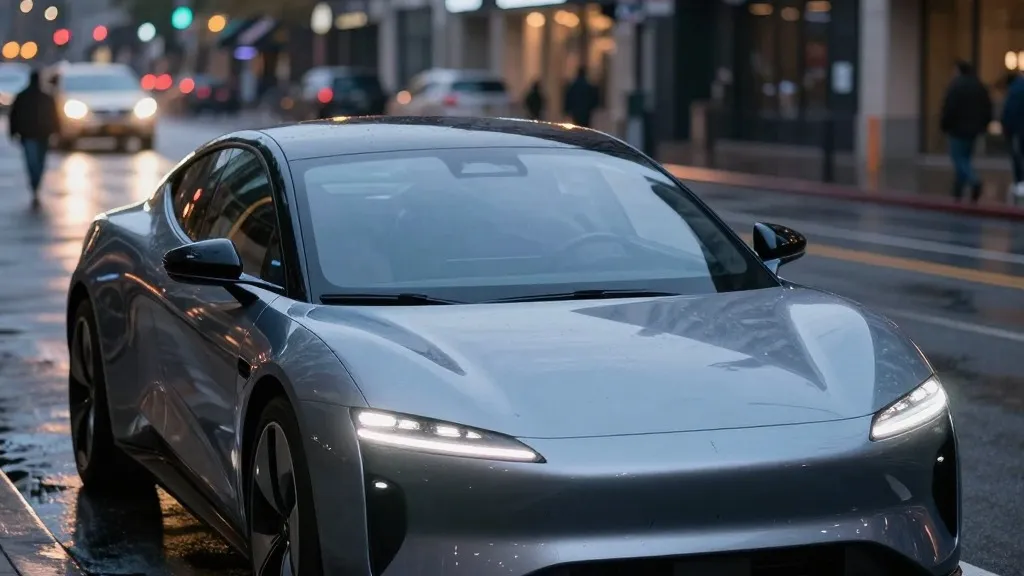
For Midwest drivers and tech enthusiasts, the wait for a definitive timeline on Tesla's most unusual vehicle is over. As of last week, the company has locked in a target date for when its purpose-built robotaxi will become available for private purchase. This announcement resolves months of speculation regarding whether the fully autonomous two-seater would reach individual buyers in the near future or remain exclusively a service offering for years to come.
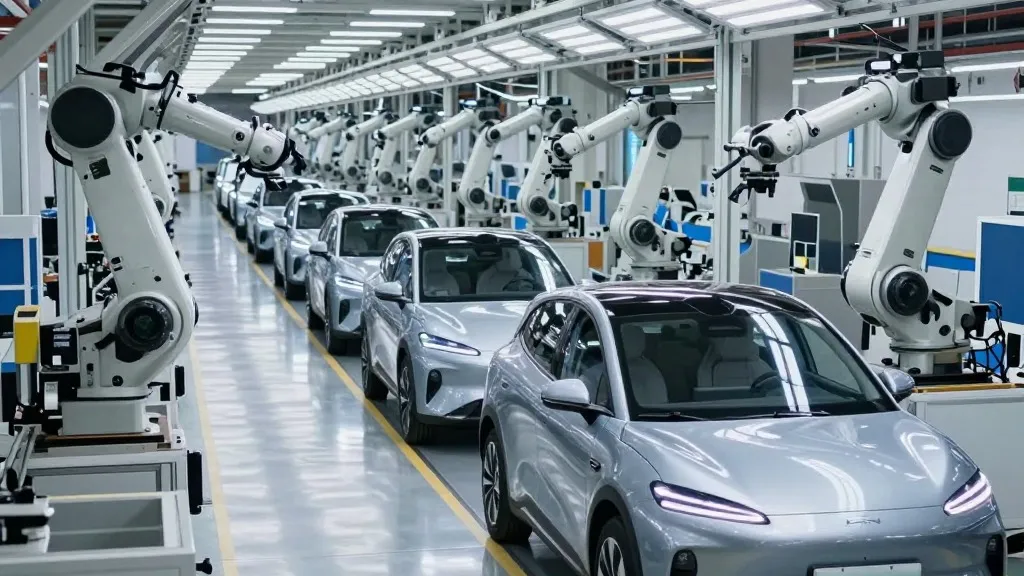
The specific details emerged during Tesla's third-quarter 2026 earnings call held on October 21. Lars Moravy, the Vice President of Engineering, stated that the company is aiming to begin delivering Cybercab units to customers before the end of 2026. While production is already active at Gigafactory Texas, Moravy noted that every vehicle currently rolling off the line is being assigned to Tesla's internal Robotaxi fleet rather than private owners.
Elon Musk, the company's CEO, clarified the business model during the same call. He emphasized that the Cybercab is designed primarily as a transport-as-a-service product rather than a traditional personal vehicle like the Model 3 or Model Y. According to Musk, the vast majority of these units will remain Tesla-owned, reinforcing the idea that private sales are a secondary goal to the broader fleet operation.
The vehicle itself is a significant departure from standard automotive design. It features a two-seat configuration and lacks both a steering wheel and pedals. The car relies entirely on Tesla's Full Self-Driving software suite. Production on the line began in February of this year. By early September, the company had already placed these early units into public service, launching rides for the general public through its Robotaxi program.
Initial customer deliveries are expected to be modest in scale. Moravy explained that Tesla plans to start small to gain practical experience with several new logistical challenges. These include managing delivery processes, defining ownership models, and overseeing fleet operations. Additionally, the company needs to refine how it manages autonomous vehicles that are no longer under its direct operational control.
Tesla previously indicated that the price point for the Cybercab would be approximately $30,000. This pricing strategy positions the vehicle as an affordable option for those who do eventually acquire one. However, the primary revenue driver remains the service aspect, where users pay for rides rather than owning the hardware outright.
There are still technical and regulatory hurdles to clear before widespread private sales begin. Ashok Elluswamy, Tesla's Head of AI, indicated that unsupervised Full Self-Driving is expected to ship to consumer cars during the second quarter of 2027. This timeline suggests a gap between the first private Cybercab deliveries and the full rollout of advanced autonomous features in standard models.
Early buyers and fleet operators may find that their vehicles have geographically restricted autonomous capabilities. This limitation is largely due to lagging regulatory agencies in various regions. As Tesla scales operations, the goal is to deliver fully designed autonomous vehicles to customers, with the Cybercab serving as the first model in this new category.
More Business · Buyer Beware · Report a business · Got a Story?