Tesla Sets 2027 Date for Unsupervised FSD in Customer Vehicles
Tesla's upcoming Full Self-Driving release will be limited to operating inside the company's own Robotaxi service areas.
By Alina Campbell ·
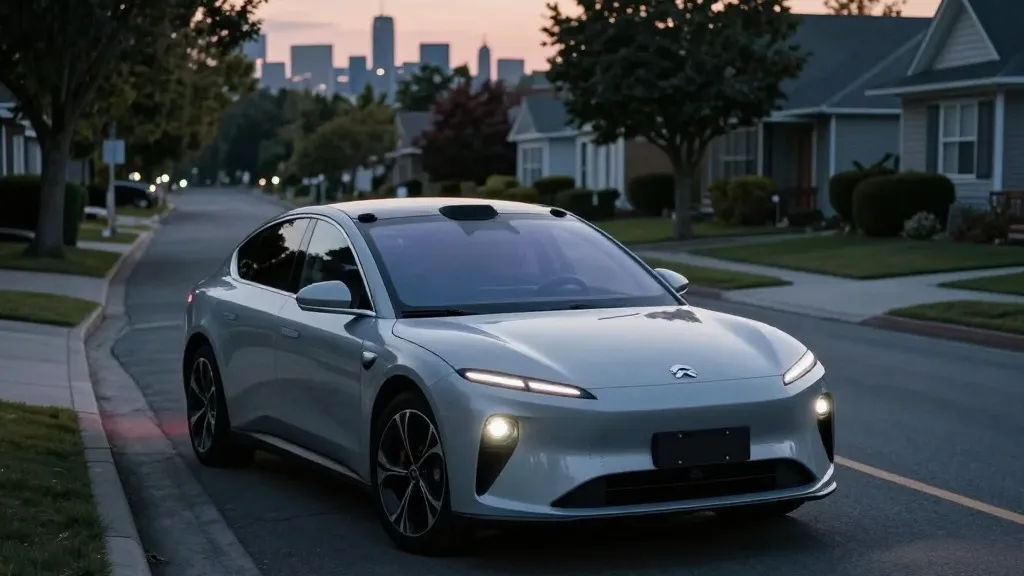
Tesla has scheduled the rollout of its unsupervised Full Self-Driving software for customer-owned vehicles for the second quarter of 2027. This timeline was announced by Ashok Elluswamy, Tesla's AI chief, during the company's third-quarter 2026 earnings call on October 21, 2026. The announcement came in response to a question from shareholders regarding the availability of this feature. The request for information was submitted by retail investors and was associated with approximately 1.1 million shares.
The planned functionality is more restricted than the original vision for Full Self-Driving. According to Elluswamy, the initial phase of the rollout will permit owners to enroll their vehicles into Tesla's managed Robotaxi network. This service operates only within designated geographic zones where Tesla has already established its own Robotaxi operations. Consequently, a vehicle would only be able to drive itself without a human operator when it is located within these specific operational areas.
The current operational areas for the Robotaxi service are limited. Tesla's service is active in six U.S. metropolitan regions. However, the service areas within these cities are small, for instance, the mapped zone in Miami covers only a portion of the city. Furthermore, the vehicles on these routes travel at low speeds, generally avoid highway travel, and do not operate in all parts of a given city. In the Bay Area, vehicles continue to operate with a safety driver due to California regulations concerning the release of data to the Department of Motor Vehicles.
The scale of the unsupervised driving fleet is also limited. By the end of the third quarter of 2026, Tesla's Robotaxi service had accumulated nearly 2 million cumulative unsupervised miles. This figure represents the total for the entire fleet, which is a small number of vehicles. In contrast, competitor Waymo has already accumulated over 3 million miles and was operational in Orlando and Tampa prior to Tesla's entry into those markets.
This latest timeline is part of a series of dates previously given for the feature. Elon Musk had stated to investors in July 2025 that unsupervised FSD would be available for personal use by the end of that year in certain geographies. Additionally, owners of vehicles with HW3 computers have been informed that their hardware is incapable of running the unsupervised version of Full Self-Driving. The company has not provided a specific plan for upgrading those systems.
The upcoming release differs from the original product description. For years, buyers of the Full Self-Driving package were told the software would eventually allow their cars to drive themselves to any destination. The planned Q2 2027 functionality is more limited, enabling a car to operate as a Robotaxi within a specific, Tesla-controlled zone. This capability is restricted to low-speed roads and does not include highway travel or operation in areas outside these geofences.