Lula Wins Brazil Presidency Amid Split Congress
The left secured the presidency, but the right dominates the legislature, complicating economic reforms and foreign policy.
By Marco Whitaker ·
Luiz Inácio Lula da Silva won Brazil’s presidential election on Sunday with 51.79% of valid ballots.
The final count showed Lula receiving 64,256,232 votes, while challenger Flávio Bolsonaro received 59,826,041. This margin of more than 4.4 million votes secured Lula a fourth term in office.
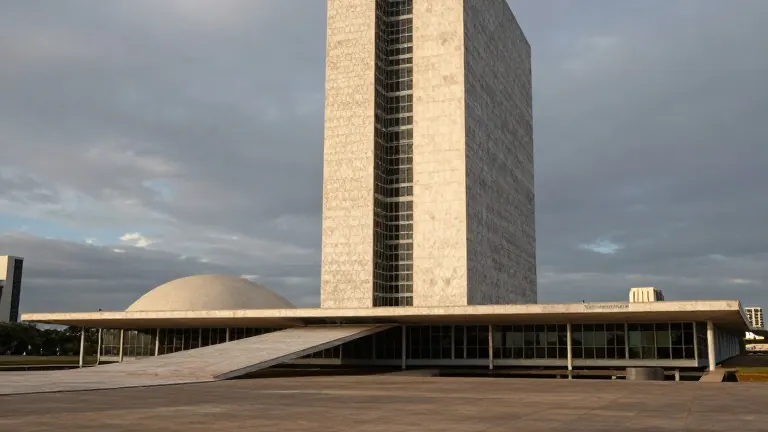
Congressional results painted a different picture of national power. Bolsonaro’s Liberal Party won 121 seats in the lower chamber and 28 in the Senate. Gilson Schwartz of the University of São Paulo estimates the broader right now holds about 59% of the Chamber of Deputies. Schwartz described the outcome as a divided government rather than a unified left-wing regime. He noted that voters supported Lula for stability while backing conservative candidates on crime and taxes.
Markets reacted sharply to the split mandate. The Ibovespa index closed 13.88% lower on Monday after trading was temporarily halted. The dollar gained more than 8% against the real. Igor Barenboim, a former Brazilian economic secretary, attributed part of the move to traders unwinding positions taken when Bolsonaro led the first round. He pointed to deeper structural issues, noting that government debt rose from about 72% to 83% of GDP during Lula’s previous term. Barenboim expects Lula to pursue limited fiscal consolidation by withdrawing tax breaks rather than cutting spending.
Bolsonaro traveled to the United States by Tuesday, two days after the election. He had refused to concede initially, citing extended voting times in affected areas. Only about 34,300 ballots were cast after the original closing time. Bolsonaro’s party later accepted the result, though he shifted focus to seeking disqualification of the Lula ticket. A senior US official confirmed that Bolsonaro and his family would be granted visas, although Washington did not announce formal asylum. Bolsonaro denies wrongdoing in a separate money-laundering investigation.
Relations with the United States face additional friction. President Donald Trump has questioned the election result without presenting evidence of fraud. Schwartz said Brazil should distinguish between legitimate US economic interests and interference in its institutions. He called sovereignty the red line in the bilateral relationship. Barenboim noted that while trade disputes exist, a full economic break is unlikely due to Brazil’s reliance on exports of soybeans, corn, and coffee.
Regional leaders have acknowledged Lula’s victory. Presidents José Antonio Kast of Chile, Keiko Fujimori of Peru, Daniel Noboa of Ecuador, and Abelardo de la Espriella of Colombia all sent messages recognizing the result. These center-right and right-wing governments maintain practical needs for cooperation on border security, energy, and migration.
Brazil’s diplomatic stance toward Israel will likely remain cool under Lula. The president has accused Israel of genocide in Gaza and supported Palestinian statehood. Neither country currently has an ambassador posted in the other’s capital. Despite the political tension, trade continues. Brazil sold about $569 million in goods to Israel in 2025 and bought roughly $1.3 billion. Agricultural sales from January through September 2026 have already surpassed the total for all of 2025.