Johnson's Warning of Democratic House Chaos Rings True After Midterm Rout
Speaker Mike Johnson's pre-election forecasts of DSA control and two years of gridlock now define the immediate political landscape as Democrats secure a 250-157 House majority.
By Alina Campbell ·
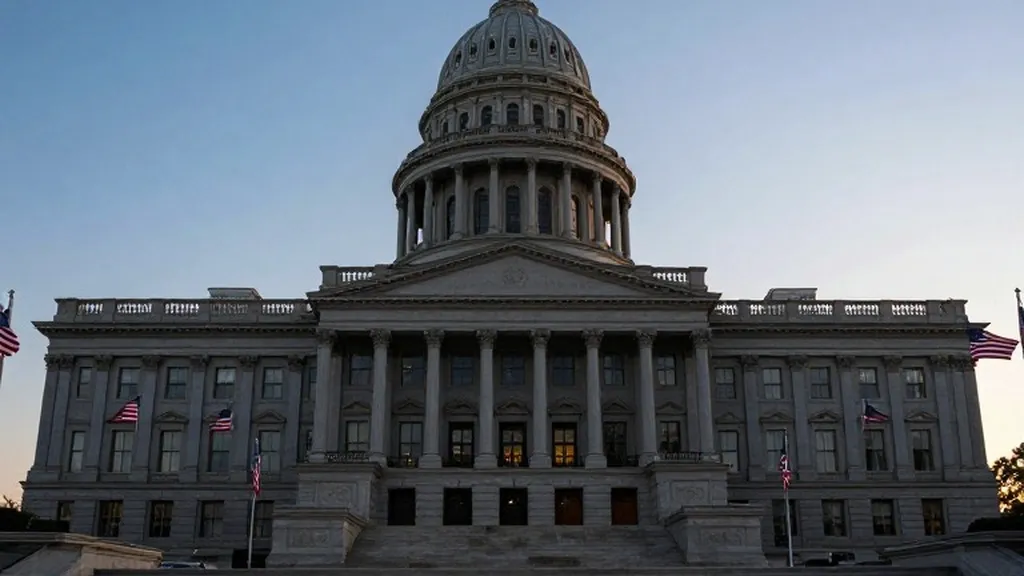
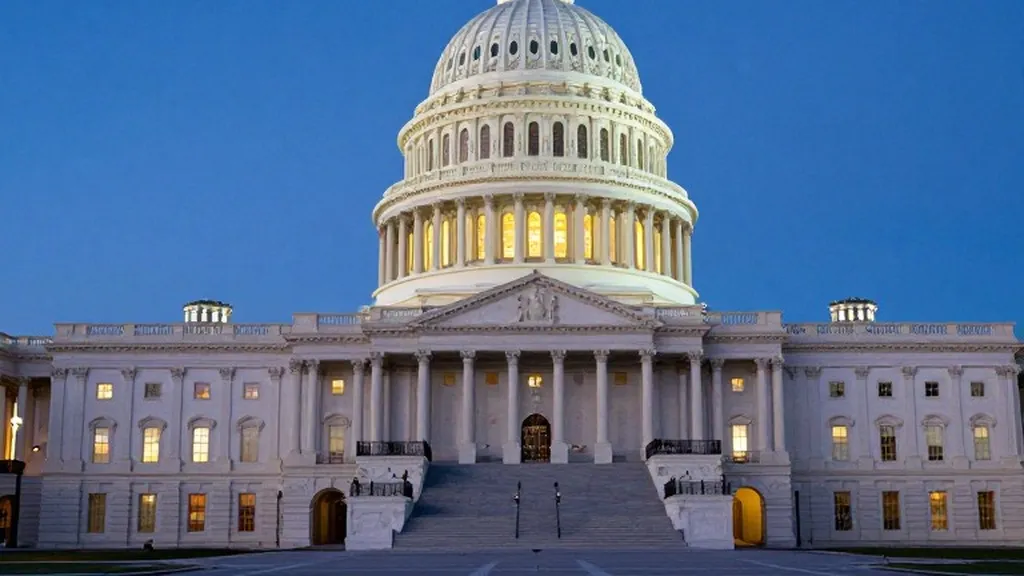
Speaker Mike Johnson's urgent warnings about the dangers of a Democratic House have taken on new weight following the November 3 elections, where Democrats secured a decisive victory in the House of Representatives. The new majority, standing at 250 to 157 as of the latest reported results, represents the largest net gain for the party out of power in a midterm cycle in recent decades. Johnson, who led the Republican majority for three years, had spent the final week of the campaign traveling through more than 40 districts across 22 states to rally support for the GOP record.
In a USA Today op-ed published on October 30, 2026, Johnson argued that the Democratic Party had bent the knee to its far-left wing, creating a volatile environment for governance. He stated that even a narrow Democratic House would be held hostage by the Democratic Socialists of America, or DSA. This assessment was reinforced by old-school Democratic strategist James Carville, who admitted he would prefer Republicans keep the House over a narrow Democratic win because his party would be hostage to the DSA. With the Democrats now holding a comfortable margin, the fear of DSA influence over the legislative agenda has become a central concern for the incoming leadership.
Johnson also pointed to international instability as a preview of what could happen in the United States if the party shifted too far left. In his writings and interviews, he cited the violent riots in France, describing the smashing of buildings and cars and the looting of hundreds of shops as a dark harbinger for America. He attributed the French crisis to decades of lax immigration, suffocating regulation, and government largesse that drove debt to a staggering 119% of GDP. Johnson argued that abandoning principles of assimilation and fiscal restraint allowed far-left radicals to loot and burn their nation, a scenario he feared was likely to unfold in the U.S. if the Democrats took control of Congress.
During an appearance on The Ingraham Angle on Fox News, Johnson painted a stark picture of the next two years under a Democratic banner. He predicted that it will be chaos every day for two years in the next Congress, emphasizing that every vote would count in such a close environment. He noted that in 2024, ten House races were decided by 6,000 votes or less, but the 2026 results have produced a much wider margin. Johnson warned that the incoming Democrats would be crazier than the Obama and Biden-Harris years because they have taken such a far lurch to the left, and that they would turn the keys over to a group of angry Democrats seeking retribution against the Trump administration.
The Speaker also highlighted the number of government shutdowns that occurred during the Republican majority as evidence of the challenges they faced. He noted that Democrats forced three government shutdowns, including the longest in U.S. history, yet Republicans still delivered historic results. This point was central to his campaign message, which emphasized that the GOP had managed to pass significant legislation despite the slimmest House majority since the Great Depression. The shutdowns served as a reminder to voters of the gridlock that often accompanies divided government, a dynamic that is now reversed with the party change.
Despite the election loss, Johnson and other Republican leaders pointed to a substantial record of achievements during the 119th Congress to contrast with the anticipated Democratic agenda. The Republican majority claims to have delivered $4.6 trillion in lower taxes, which they describe as the largest middle- and working-class tax cut in history. They also cite a $1.6 trillion reduction in wasteful government spending and the creation of the first-ever nationwide school choice program. These accomplishments were framed as proof that the GOP could deliver for the American people even with a small margin of control.
The Republican leadership also emphasized the security of the border, stating that they had achieved a totally secured border during their time in power. They credited the One Big Beautiful Bill with protecting families from tax hikes and expanding the Child Tax Credit. Additionally, they pointed to the lowest violent crime rate in 126 years and the largest decline in prescription drug costs in 60 years. These metrics were used to argue that the Republican approach of building on foundational principles of liberty and limited government was more effective than the Democratic approach of dismantling them.
Johnson's campaign focused heavily on the contrast between common sense and the radical left, arguing that the Democratic platform was becoming more extreme with each passing year. He described the DSA platform as calling for eradicating borders and prisons, granting mass amnesty, and abolishing the Senate. He warned that the top Democrats in Congress were welcoming these candidates into their big tent, ceding unprecedented power to a growing socialist cadre. This narrative resonated with voters who were frustrated with the direction of the country, particularly regarding the economy and government corruption, which were cited as crucial issues in the AP Voter Poll.
As the new Congress prepares to convene in January, the focus will shift to the incoming Democratic leadership and their plans for the next two years. The Republicans, now in the minority, will likely focus on oversight and using their veto power to block what they see as harmful legislation. The impeachment resolution for Defense Secretary Pete Hegseth, which was introduced by Rep. Thomas Massie, signals the confrontational tone that may define the early days of the new session. Johnson's warnings of chaos and DSA influence will likely serve as a benchmark against which the new Democratic majority is measured by both parties and the public.