Democrats seize control of Congress in major midterm upset
Democrats have won majorities in both the House and Senate, marking a significant shift in power that will reshape national policy for the next two years.
By Samir Doyle ·
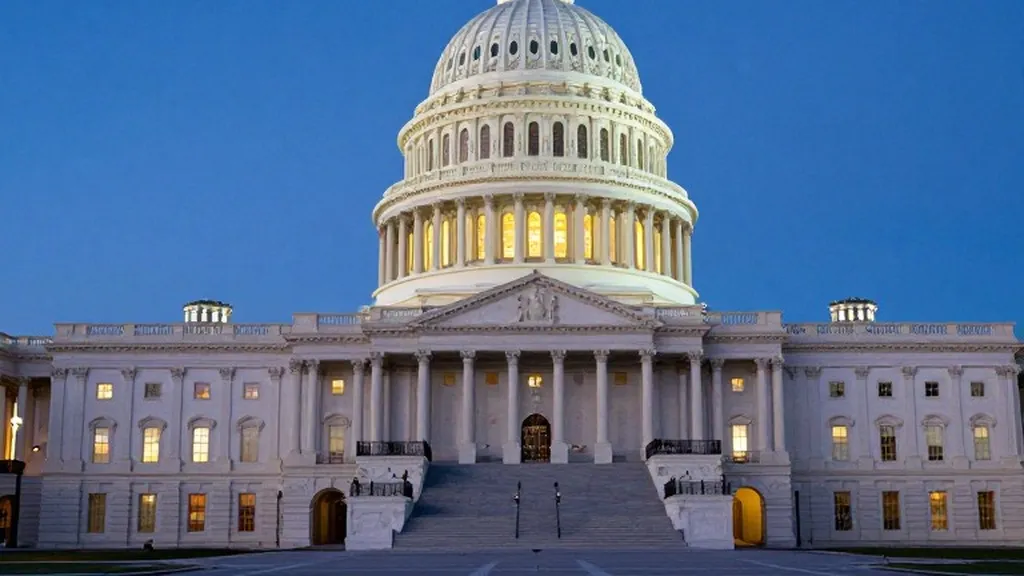
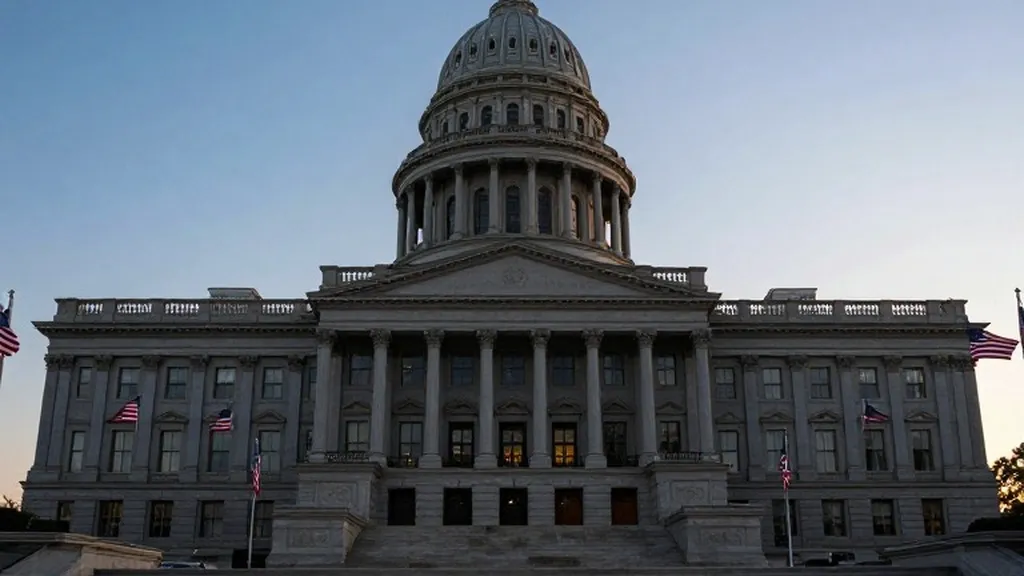
Midterm voters across America delivered a decisive mandate on Tuesday, November 3, 2026, by electing Democrats to majorities in both chambers of the U.S. Congress. The final tallies show that Democrats have secured at least a 250 to 157 majority in the House of Representatives and a 54 to 44 majority in the Senate. This outcome represents a significant shift in the balance of power in Washington, as Republicans cede control of the federal legislature for the first time in several years. The scale of the Democratic victory has drawn immediate attention from political analysts and leaders on both sides of the aisle who are now assessing the implications for the remainder of President Donald Trump’s term.
President Donald Trump addressed the nation’s political class on Monday following the election results, though his focus remained heavily divided between the legislative shift and ongoing developments in the tech sector. At a White House briefing, Trump discussed the FBI’s investigation into Nvidia CEO Jensen Huang, stating that he believed Huang would be in good shape despite the allegations. The president’s comments highlighted the intersection of national security and economic policy, two key concerns for the new Democratic majority. While Trump did not explicitly detail a plan for working with the new Congress, his remarks signaled an intent to maintain close ties with key business leaders even as the legislative landscape changes.
The path to Democratic majorities was paved by a net gain of at least 43 seats in the House and seven seats in the Senate. All seven Senate seats gained by Democrats were previously held by Republicans. In the House, Democrats flipped 42 seats from Republicans and one seat from an independent. This performance places the election among the top 20% of election years in terms of seat swings against a president’s party, a threshold often described as a wave election. Although the House net loss of 42 seats fell just short of the 48 seats needed to meet the strictest definition of a wave, the Senate result firmly qualifies, marking a substantial realignment of congressional control.
Statewide results reflect the national trend, with Democrats winning a plurality of state government trifectas and a majority of governorships for the first time since before the 2010 elections. In 44 of 46 states, the status of trifecta control had been decided by the reporting deadline. This broad-based success indicates that the Democratic victory was not limited to a few key battleground states but was felt across a wide geographic spectrum. The new control of state legislatures will allow Democrats to influence ballot measures and state-level policies that align with their federal agenda.
Key figures in the new Democratic leadership have already begun outlining their priorities. Rep. Bobby Scott of Virginia, who will lead the House Committee on Education and the Workforce, stated his intention to leave no rock unturned in investigating the Trump administration’s dismantling of the U.S. Education Department. Sen. Elizabeth Warren of Massachusetts called on her colleagues to hold the administration accountable for its education policies. These early signals suggest that oversight and appropriations will be primary tools for the new majority, as Democrats seek to check executive power without necessarily passing major new legislation that could be subject to veto.
Republican leaders responded to the results with a mix of frustration and strategic positioning. House Speaker Mike Johnson, who has served as the Republican leader in the House, expressed concern about the timing of various legislative moves, particularly regarding the impeachment resolution for Defense Secretary Pete Hegseth. Johnson argued that impeachment in the middle of hostilities abroad would be a difficult look for allies and enemies. Senate Majority Leader John Thune indicated that the Republican leadership would deal with the new reality accordingly, suggesting a focus on managing the transition and protecting their remaining institutional interests until the new Congress fully convenes.
The election results also carry significant weight for the Defense Department, as Rep. Thomas Massie of Kentucky moved to force a vote to impeach Defense Secretary Pete Hegseth shortly after the House reconvened. Massie, a Republican who lost his primary earlier this year, cited Hegseth’s role in military actions in Iran, Yemen, and Venezuela as high crimes and misdemeanors. With Democrats now holding the majority in the House, the path for impeachment in the lower chamber appears clearer, though the process will be complicated by the fact that Republicans still hold the majority in the Senate until January. This dynamic creates a unique procedural challenge for the new House leadership.
Democrats in Congress are preparing to use their new power to rein in specific executive agendas, starting with the education portfolio. They plan to use oversight and appropriations powers to push back against the dismantling of the Education Department and the end of diversity, equity, and inclusion policies. While President Trump has threatened to use his veto power against bills he views as harmful, Democrats are exploring conditions on spending bills to establish guardrails. This approach allows them to exert influence without requiring a two-thirds Senate majority to override a potential presidential veto, making it a strategically sound option for the new majority.
The shift in control also impacts the state of California, where Xavier Becerra’s win as governor continues the streak of Catholic governors in the state. Becerra’s victory highlights the complex political dynamics of religious communities in American politics. While Catholics are often viewed as a distinct voting bloc, data from the AP Voter Poll shows that they are politically mixed, with Latino Catholics heavily supporting Becerra while white Catholics were split. This diversity within the faith mirrors the broader national picture, where religious affiliation alone is not a perfect predictor of voting behavior in a closely contested election.