Trump approval hits 37% ahead of Tuesday's midterm vote
Polling data shows a sharp drop in presidential support, setting the stage for a historic shift in congressional control.
By Marco Whitaker ·
The average of recent polls places President Trump's approval rating at 37%. This figure marks a steep decline from the 52% average recorded earlier in 2025. The drop breaks below the 40% threshold that has historically preceded severe midterm losses for the president's party.
Americans cast their votes Tuesday in an election that will test the direction of American politics. The results will determine the balance of power in the House and Senate. Most observers expect the Republican Party to lose its slim majority in the House. The Senate race remains too close to call, though Democrats may struggle to secure a decisive advantage.
President Trump campaigned heavily in Iowa and Kansas during the final weekend of the election cycle. These states were critical targets for his political team. In 2016, Trump won 31 counties in Iowa that had previously supported Barack Obama. Kansas has not sent a Democrat to the Senate since 1932. Trump visited these states in person while conducting remote rallies in 19 other locations.
The strategy aimed to limit losses in a challenging environment for Republicans. Polls indicated potential declines in swing states and even in red states Trump had won by double-digit margins. His team focused on protecting the Senate majority. Vice President Vance holds the tie-breaking vote, which could keep the GOP in control of the upper chamber if the race is tight.
Trump has framed the election as a personal referendum. He has presented himself as the architect of a new Washington and the driver of historic events. This approach contrasts with his first term, where he adopted a more conventional executive role. He has cast himself as an avenger of wrongs and a leader who operates beyond the standard checks of Congress and the federal bench.
The larger electorate appears less receptive to this style than Trump's core base. Anti-Trump rallies have adopted the slogan "No Kings" to oppose what critics call autocratic tendencies. Democrats have focused on unmet promises, including peace in Ukraine and a new era for Israel and the Palestinians. However, economic disappointment drives much of the discontent. Voters see inflation remaining elevated and gas prices leading a surge in everyday costs.
Democrats face internal challenges even if they win control. Their majority in the House, if they secure it, will likely be modest. A narrow Senate victory would empower maverick lawmakers over party leadership. The party must also manage divisions between consensus builders and left-wing firebrands. Candidates associated with the Democratic Socialists of America have drawn media attention and Republican attack ads, even in races where they lost the primary.
Ruy Teixeira, a political demographer at the American Enterprise Institute, published 11 questions for Democrats in October. He asks whether the party will prioritize the interests of the white working class over issues of race, gender, and social policy. Teixeira, who co-authored The Emerging Democratic Majority in 2002, has long analyzed the party's relationship with non-college educated voters.
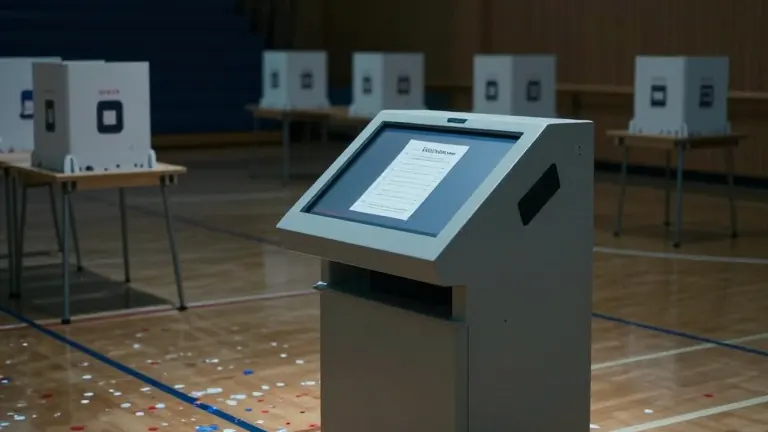
The election also tests public faith in the voting system itself. Nonpartisan experts have generally defended the current state of election administration since the Help America Vote Act of 2002. That legislation replaced punch-card ballots with touch-screen technology and paper trails. Yet Trump continues to label polling results and news reporting as fake. He has questioned the integrity of the process since his 2016 nomination, a stance that fueled the January 6, 2021, protests.
The next few days will reveal whether the will of the people remains clear. The outcome will depend on whether voters maintain confidence in the mechanisms of their government. The results will set the stage for the next phase of American political life.