Zero AI Frames in Blue Planet III
The BBC's new ocean series retains cloudy water and grainy shots to certify footage authenticity in the face of generative technology.
By Samir Doyle ·
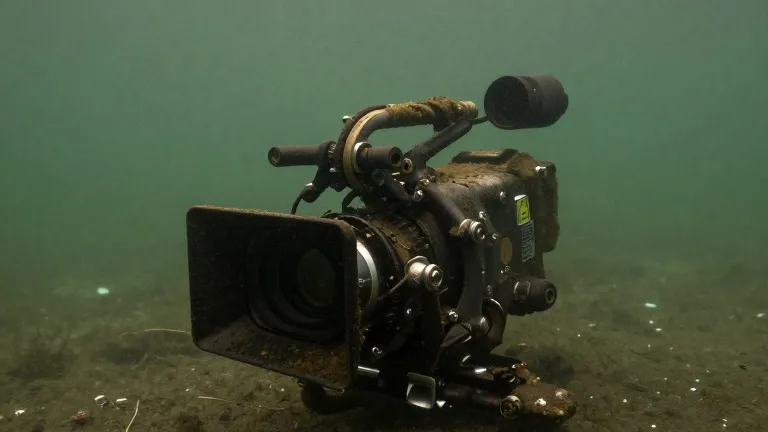
Zero. That is the number of frames in the new Blue Planet III series that utilize generative artificial intelligence. The BBC Studios natural history unit has confirmed that not a single image in the upcoming documentary was created by a computer algorithm. Every shot relies on traditional photography and camera work.
The decision to preserve imperfect imagery serves a specific commercial and editorial purpose. Producers argue that audiences are increasingly skeptical of visual media due to the rapid rise of AI fabrication. By keeping the footage gritty, the team signals that the content is grounded in physical reality.
Executive producer Elizabeth White stated that the presence of AI in media production creates pressure to be more authentic. She noted that the deep-sea creatures captured on camera are more remarkable than any AI model could currently imagine. The production team is intentionally leaning into an organic aesthetic to differentiate the series from polished, synthetic competitors.
In previous nature documentaries, editors often cut or reframed shots that contained visual distractions. Plankton clouds, boat buoys, and poor water clarity were common reasons to discard footage. White explained that the team now retains these elements. She said the production expects to incorporate even murkier imagery in future seasons as AI technology continues to evolve.
Jack Bootle, the BBC's head of specialist factual commissioning, made a formal assurance to journalists at a recent press screening. He declared that no generative AI was used in the series. He described the project as a burst of novel animal behavior that breaks from viewer expectations of having seen it all before.
The series features several first-time observations recorded through new hardware. One sequence shows dolphins using sea sponges to block holes in coral reefs and trap fish. This behavior was captured using an underwater CCTV system nicknamed the stonefish cam. Other footage documents a grouper communicating with a different fish species and 200,000 crabs forming a line to feed.
Filming spanned four years across five oceans. Series producer Lara Bickerton said the team built specialized equipment to capture these scenes. This included a mini-dome camera for tracking octopuses and a deep-sea selfie stick. Camera operators also wore leg-mounted scooters to film immersive diving segments. Lasers were used to illuminate deep-sea animals.
The production also addresses environmental threats. One episode details how warming seas are killing the sea anemones that house clownfish. Another segment continues the plastics theme from the 2017 series, focusing on pollutants and forever chemicals. White said these stories highlight the resilience of marine life alongside its vulnerabilities.
David Attenborough, who narrates the series, was heavily involved in the creative process. Producer Yoland Bosiger said Attenborough, who is 100 years old, made specific changes to the scripts. White added that Attenborough remains excited when shown new footage. The series is set to premiere on BBC1 and iPlayer on Sunday, November 1.
White addressed the BBC's recent cost-cutting measures in a brief statement. She said she could not comment directly on the impact of the savings drive on the unit's reputation. However, she noted that the series saved money by employing more local crews on location compared to previous productions.
More Business · World news · Buyer Beware · Report a business · Got a Story?