Trump Administration Blocks International Monitors As Federal Scrutiny Intensifies
The White House has ended a two-decade tradition of hosting OSCE observers while deploying a record number of its own federal election monitors ahead of the midterms.
By Alina Campbell ·
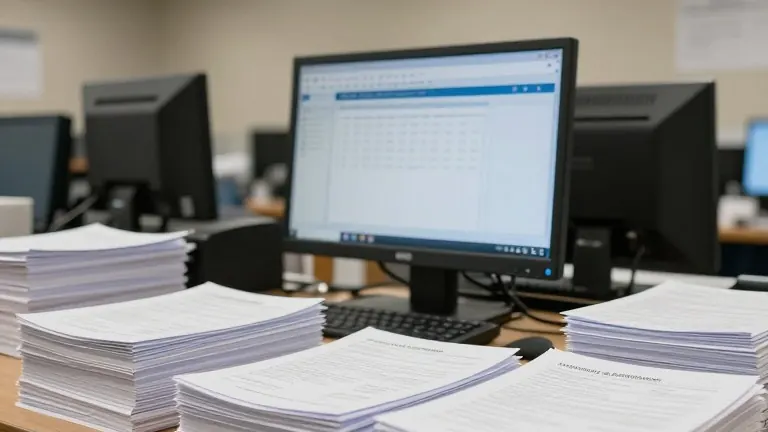
American voters will cast ballots in November under a new set of federal oversight rules that have already drawn criticism from international partners and domestic legal experts. The change alters a long-standing practice where external groups observed U.S. elections, shifting the monitoring responsibility almost entirely to the executive branch.
The Organization for Security and Cooperation in Europe has observed and reported on U.S. midterm and presidential races since 2002. The Trump administration has decided to break that tradition. It will not allow monitors from the OSCE’s Office for Democratic Institutions and Human Rights to participate in the upcoming election. This marks a sharp departure from the 57 other nations that remain members of the body, which was created after the Cold War to promote democracy.
As the international observers step back, the Department of Justice is moving in with its own personnel. Reuters reported that the agency plans to deploy 1,000 federal election monitors. That number represents the largest deployment in the department's history and is nearly double the 590 monitors sent out for the 2024 election. The administration argues these monitors are necessary to ensure security, a stance that contrasts with its refusal of independent international scrutiny.
Political leaders have voiced strong objections to the shift. Sen. Jeanne Shaheen, the outgoing ranking member of the Senate Foreign Relations Committee, stated that the decision is deeply antithetical to the spirit of freedom and transparency. She urged the administration to respect the role of independent observers. Rep. Steve Cohen of Tennessee suggested the move signals an intent to avoid external observation on Election Day. The Democracy Renewal Group, founded by former U.S. Agency for International Development staff, warned the U.S. would join nations like Russia and Belarus in refusing independent scrutiny.
The federal government has also pursued a more aggressive role in state voting processes. In July, the Justice Department sent letters to every state’s chief election official, warning of potential prosecution if administrators knowingly allowed noncitizens to vote. Courts have blocked the administration’s attempts to force states to turn over voter rolls, leaving the administration with a 0 for 26 record in that specific legal effort. However, the Supreme Court recently reversed a lower court order, allowing the Department of Homeland Security to use a centralized national database to screen voter rolls.
Under the direction of DHS Secretary Markwayne Mullin, Immigration and Customs Enforcement reviewed tens of millions of voter rolls this month. The agency claimed it was looking for noncitizen voters. Meanwhile, the White House has continued to push for a federal takeover of the voting process in at least 15 places, a move that challenges the Constitution's delegation of election oversight to the states.