Midterms Drive AI Stocks Apart as Debt-Fueled Firms Face Higher Borrowing Costs
Microsoft and Amazon shares climbed more than 6% while CoreWeave dropped 10% after Democratic wins raised concerns over data center permitting.
By Samir Doyle ·
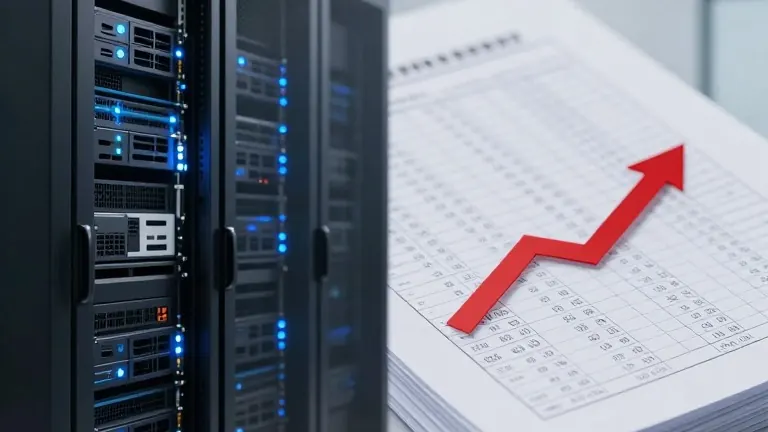
The artificial intelligence market has fractured into two distinct groups following the United States midterm elections. Established technology giants are seeing their stock values rise, while companies relying on debt to build infrastructure are facing immediate financial pressure. This split emerged as investors reacted to political outcomes that threaten to slow new construction.
The political shift began with Democratic victories in several gubernatorial races. In Texas, governor-elect Gina Hinojosa proposed a statewide moratorium on new data center permits. The plan exempts projects already under construction, but it introduces uncertainty for future capacity. This regulatory risk has made investors more cautious about firms that depend on external financing to expand.
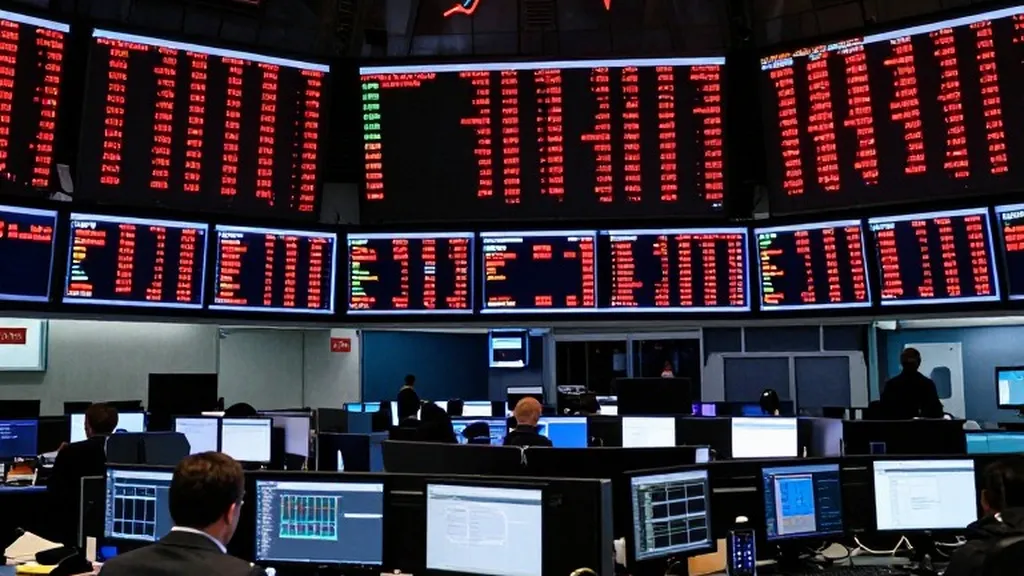
Market data from Wednesday showed a sharp divergence in performance. Shares of Microsoft and Amazon each increased by more than 6%. CoreWeave, a provider of AI infrastructure, saw its stock fall by approximately 10%. Chipmakers also declined, with Micron down 7% and Nvidia dropping 3.17%.
James Sullivan, managing director at JPMorgan, attributed the gap to borrowing costs. He explained that spreads have widened for neocloud companies, raising their cost of capital relative to hyperscalers. Larger firms benefit from diversified revenue streams that provide greater financial stability. Sullivan added that existing capacity has become more valuable due to supply constraints.
Nomura reported that much of the data center capacity planned for 2027 is already under construction. This limits the immediate impact of new restrictions. However, projects scheduled for 2028 face greater exposure to permitting delays. Tighter regulations could become a larger headwind to AI investment starting in that year.
Credit markets have already shown signs of stress. Shares of CoreWeave, Nebius, and Iren fell at least 30% in October. CoreWeave's five-year credit default swap spread rose past 1,100 basis points. This indicates that investors are demanding higher compensation for the risk of default.
JPMorgan Asset Management noted that hyperscalers have the internal cash flow to absorb delays. Lower-rated neoclouds face greater exposure to borrowing costs and energy prices. Stronger firms may use their position to acquire assets from weaker operators who must scale back due to financial pressures.
More Business · National news · Buyer Beware · Report a business · Got a Story?