Global Press Frames Israel Vote as Personal Fight for Prime Minister
International media outlets centered their coverage of the upcoming Israeli election on Prime Minister Benjamin Netanyahu's political survival and the uncertainty of forming a government after three years of war.
By Alina Campbell ·

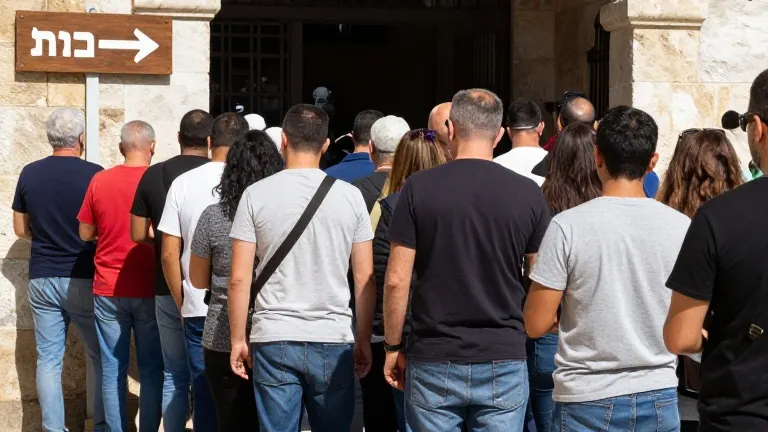
Western news organizations have placed the Israeli prime minister at the center of their coverage for Tuesday's national vote. Headlines across major markets describe the election as a direct test of Benjamin Netanyahu's political future. This framing follows three years of conflict that began after the October 7 attack.
Major wire services used blunt language to define the stakes. Reuters ran the headline, "Netanyahu's political survival on the line as Israel votes." The Associated Press took a similar approach with the title, "Israeli voters decide whether to oust Netanyahu after three years of war." Both outlets positioned the leader as the central figure in the first election since the war began.
Regional newspapers in Europe extended the significance of the vote beyond Israel's borders. The German outlet Tagesschau labeled the ballot a "fateful election." The Spanish publication El Pais used the headline, "Netanyahu puts his future on the line in an election decisive for the entire Middle East." The Financial Times in Britain described the event as a "historic election" as citizens headed to the polls.
Several media properties used sharper, opinion-driven language to characterize the campaign. The American magazine The Atlantic published a piece by Graeme Wood under the headline, "Netanyahu Enters Full Panic Mode." Germany's Der Spiegel used nearly identical phrasing with the title, "Netanyahu shifts into panic mode." These headlines focused on the prime minister's campaign conduct rather than reporting on final results.
Other outlets emphasized the personalized nature of the contest. The Italian edition of Euronews titled its coverage, "'Yes or no to Bibi': Israel's election has become a referendum on Netanyahu." In Brazil, Folha de S.Paulo highlighted the matchup between the prime minister and a former general. That headline noted that other leaders might determine who governs the country despite the two main contenders.
British coverage focused on the structural challenges of the parliamentary system. The Times published a guide to the electoral system and possible scenarios. The Wall Street Journal used a subheadline to note that the outcome could remain unclear for weeks. This reflects a common theme in the international press: winning the most votes does not guarantee the ability to form a government.
Le Monde in France took a different angle by publishing a field report on Israelis living abroad who returned to vote. One interviewee told the publication, "What is at stake is existential!" The report described voters traveling from various countries to participate. Meanwhile, Der Spiegel also ran a news report titled, "Families remember Hamas victims, and demand answers," focusing on the families of those killed in the initial attack.
Australian media mirrored the tension seen in other regions. SBS described the vote as being "on a knife's edge." The ABC network focused on Netanyahu's hard-line security rhetoric during the campaign period. Across the surveyed outlets, a clear distinction emerged between the question of who receives the most votes and the question of who can actually govern. The latter question may remain unresolved even after the polls close.