EPA Moves To Loosen Methane Controls On Drillers
The proposal would dismantle a 2023 rule finalized under the Biden administration and scrap a monitoring program slated for next year.
By Marco Whitaker ·
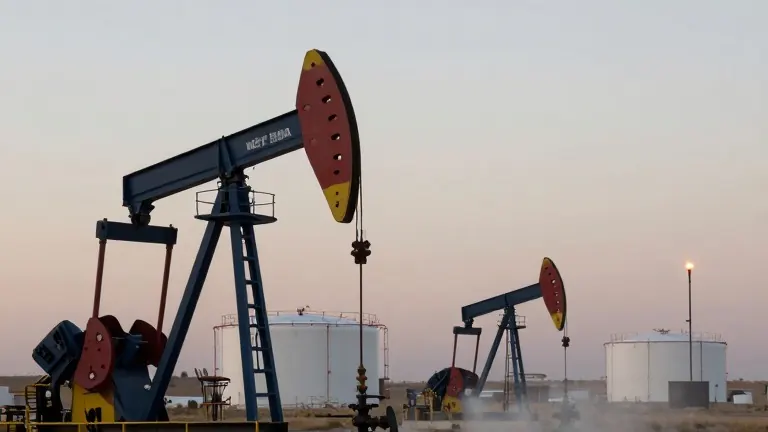
The Trump administration is taking aim at federal methane limits on oil and gas sites.
President Trump announced the plan Tuesday while campaigning in Lubbock, Texas. He said revisions made under the Clean Air Act would cut production costs for the industry by billions of dollars and encourage more drilling at home. The proposal arrives as Republicans face voter pushback over prices at the pump heading into the midterm elections.
The 2023 rule at issue was finalized by the Biden administration to curb methane from the sector. Methane carries roughly 80 times the warming power of carbon dioxide across a twenty-year span. EPA Administrator Lee Zeldin said in a press release that the prior EPA "destructively targeted" the workers and businesses behind U.S. oil and gas output. The American Petroleum Institute, which fought the 2023 rules, said the rollback would ease compliance burdens. Dustin Meyer, a vice president at the group, said the industry seeks "a more workable approach that supports American energy production, provides greater regulatory certainty and advances continued emissions reductions."
Environmental Defense Fund associate vice president Jon Goldstein takes the opposite view on cost. He notes methane is natural gas, so gas that leaks or is flared rather than captured is product the producer cannot sell. "That is harmful to our energy security, and it's harmful to taxpayers that ought to be seeing royalty and tax revenue collected off of this gas that's going to waste," Goldstein said. He also said satellite data contradicts the idea that marginal wells release little, adding that such end-of-life wells account for "the lion's share of methane pollution" from the production sector.
The proposal also targets the Methane Super Emitter Program, which is scheduled to begin in January 2027. That program would let certified third parties, including private and nonprofit satellite operations, report large leaks to the government. Paasha Mahdavi, a political science professor at UC Santa Barbara who studies the oil industry, said such reports are how regulators learn of violations they cannot see on their own. "We need that because it's really hard to see this stuff," Mahdavi said.
EPA will open a comment period of at least 45 days, with a public hearing, after the proposed changes publish in the Federal Register.
More Business · Buyer Beware · Report a business · Got a Story?