Nov. 12: The day Alaska's federal forests reopen for bear baiting
A new federal rule effective mid-November allows hunters to use food lures on Alaska public lands, reversing a 2024 ban.
By Alina Campbell ·
Federal lands in Alaska have long governed how hunters interact with wildlife, but those rules shift this fall. The Department of the Interior published a final rule in the Federal Register on Friday that permits the use of human food to lure bears.
The regulation takes effect in mid-November. It replaces a 2024 rule from the Biden administration that prohibited baiting on these public lands. The new policy defers to state regulations, which already allow the practice. Hunters may use items such as bacon, doughnuts, and meat scraps to attract trophy bears.
Doug Burgum, the interior secretary, defended the move in a press release. He called the measure a commonsense framework that gives Alaskans a stronger voice in decisions affecting their lands and wildlife. Burgum stated the rule responds to demands from residents who know these traditions best.
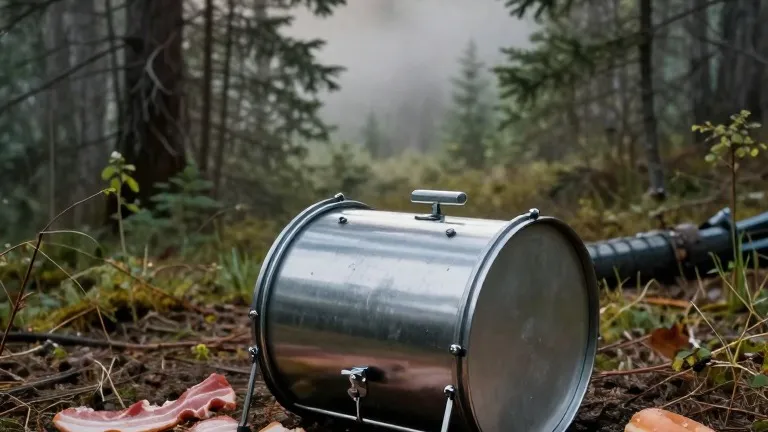
Nicholas Arrivo, a managing attorney at Animal Protection Law, described the typical method. Hunters place high-fat and high-sugar food in a steel drum or garbage can. They keep watch over the bait and shoot the bear at short range from a nearby blind. Arrivo noted that hunters generally choose the cheapest and most effective food available.
Critics argue the change benefits trophy hunters at the expense of wildlife safety. Drew Robertson, a senior regulatory specialist for Humane World for Animals, called the provision cruel and dangerous to both wildlife and the public. He said the group was dismayed to see the rule return, describing it as indefensible and inexcusable.
Robertson suggested the rule stems from a political motive rather than careful scientific consideration. He pointed to an executive order signed by President Donald Trump early in his second administration titled Unleashing Alaska's Extraordinary Resource Potential. That order directed the rule to be reissued. The practice is not unique, as about a dozen other states allow similar baiting methods.
The history of this regulation involves repeated reversals. The Obama administration first imposed a ban, which the first Trump administration reversed. Litigation upheld the Obama rule and overturned the Trump rule before the Biden administration reinstated the ban in 2024. Arrivo questioned the legality of the new rule, noting that the 2024 version went through a more rigorous scientific process. He said the current approach is anathema to federal land management goals of preserving wildlife diversity.