Sedona dealer Jamie Inglett details price gap in crystal market
Lab-grown stones costing over $100 in local stores sell for as little as $5 online, prompting experts to urge buyers to verify origin.
By Samir Doyle ·
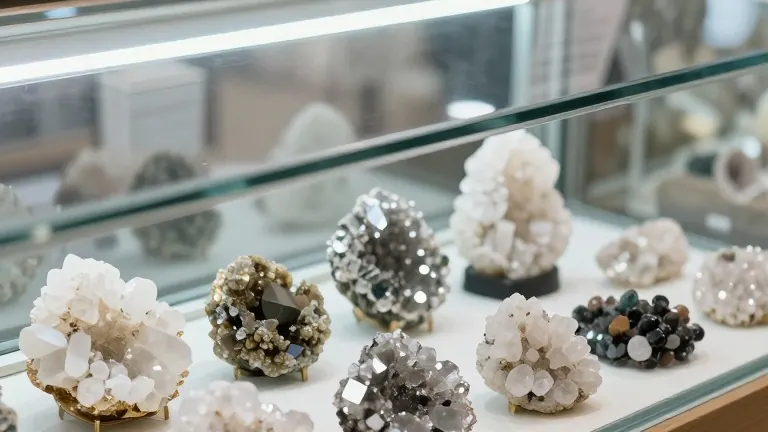
Jamie Inglett, owner of a crystal shop in Sedona, Arizona, is warning customers about the rising number of imitations in the gemstone market. Inglett noted that social media has driven a surge in demand, leading to a flood of products that may not be natural. She said buyers can encounter fake crystals in physical stores and at gem shows.
The popularity of crystals has grown rapidly online. The hashtag #crystals has generated 20 billion views on TikTok. Inglett leveraged this digital interest to build a following of 215,106 on Instagram. She later opened a brick-and-mortar location in Sedona to serve customers who preferred in-person purchases.
Inglett explained that consumers do not need to subscribe to crystal healing beliefs to value the stones. However, she emphasized the importance of research. Shannon Wimberly, a collector for several years, agreed. She said she has purchased fake crystals in the past and now inspects every item more closely before buying.
The discrepancy in pricing is a major red flag. Inglett displayed a lab-grown crystal that a local Sedona shop sold for more than $100. She noted that identical items are available online for between $5 and $20. She said shoppers will see many of these look-alikes in stores, and they often appear identical to the naked eye.
Inglett said buyers might also purchase items made entirely of plastic or glass. She recommended asking sellers specific questions to verify authenticity. Buyers should ask for the country of origin or the specific mine name. She said sellers should be able to provide at least the country of origin if they cannot name the mine.
Physical tests can also reveal fakes. Inglett said glass imitations sound different when tapped, do not feel cold to the touch, and often show unnatural dye patterns. She also pointed out that fake moldavite lacks the natural grooves and textures found in real stones. These fakes tend to look too uniform in shape.
Inglett stated that lab-grown crystals are acceptable if sellers disclose the material. The issue arises when lab-grown stones are sold as natural formations without clear labeling. She said transparency is the key to a fair transaction in the current market.
More Business · Buyer Beware · Report a business · Got a Story?