Cuba's hospitals run on phone lights as oil supply dries up
A 2-month-old infant and a pregnant dancer face critical shortages in a country where daily blackouts have become the norm.
By Samir Doyle ·
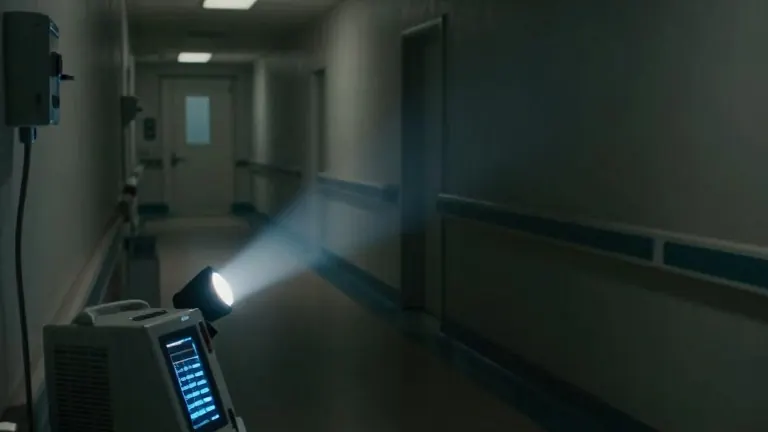
Cuba's electrical grid has collapsed to the point where doctors perform surgeries using the light from their cellphones. Since early January, Cuban officials say only a single tanker of oil has reached the island. That scarcity has crippled the power system, leaving hospitals in the dark for long periods every day.
The shortage has turned basic medical care into a struggle for survival. At the William Soler Hospital in Havana, Dr. Alejandro Chong, the head of the intensive care unit, describes the critical moments between when the power cuts and the backup generators kick in. He says those few seconds are precious when a patient is under general anesthesia or on a ventilator. When the generators fail, the medical team pumps oxygen for critical patients by hand.
The strain is visible in the patients. Chong treated an infant about two months old who weighed less than five pounds. The baby was dehydrated, malnourished, and barely responsive. The infant had no name and no family, having been brought in by protective services. The medical team had to clear the baby's airways and prepare a ventilator just in case he stopped breathing. Chong said the baby's prognosis was critical and his life was in immediate danger.
Supplies that were once standard are now scarce. Chong explained that in other parts of the world, patients like this infant receive specialized formulas, many from the United States. In Cuba, the hospital makes do with formulas made from malanga, a starchy root vegetable, and chicken. Dr. Lorien Rodriguez, a second-year resident in pediatric surgery, said she supports herself by working as a radio host because her medical salary is not enough to live on. She noted that cancer drugs, anesthetics, and lab equipment are all in critically short supply.
The shortage affects patients waiting for routine procedures as well. One toddler waited 68 days for a missing part for an artificial lung machine critical to her surgery. Normally, that part would arrive in two days. Paloma Blanco, a dancer with the National Ballet of Cuba, is eight months pregnant with her first child. She said she is nervous about giving birth now and has asked friends in the United States to send surgical supplies in case she needs a C-section.
The crisis has deepened diplomatic tensions. Secretary of State Marco Rubio said the regime's economic model does not work and that those who run the country are interested only in holding onto power. In a statement, a spokesman for Rubio said the failing Cuban regime blames the U.S. for its own incompetence and hides billions in overseas bank accounts instead of investing in daily needs. Carlos Fernandez de Cossio, Cuba's deputy foreign minister, said the U.S. has spoken of taking control of Cuba and making political changes of its own liking.
Cuba has implemented 176 economic reforms this year, including dropping monopolies on fuel, banking, and pharmacies. U.S. companies have started exporting fuel to the private sector, but the cost is prohibitively expensive. For most citizens, staples are out of reach. A carton of eggs can cost more than a month's salary. On the streets, residents navigate a thriving black market to find medicine that is no longer available in state-run pharmacies.