Chicago Immigration Judge Schedules 90 Child Hearings in Two Days
Attorneys describe the rapid scheduling as a test of due process for minors who qualify for special juvenile protections.
By Samir Doyle ·
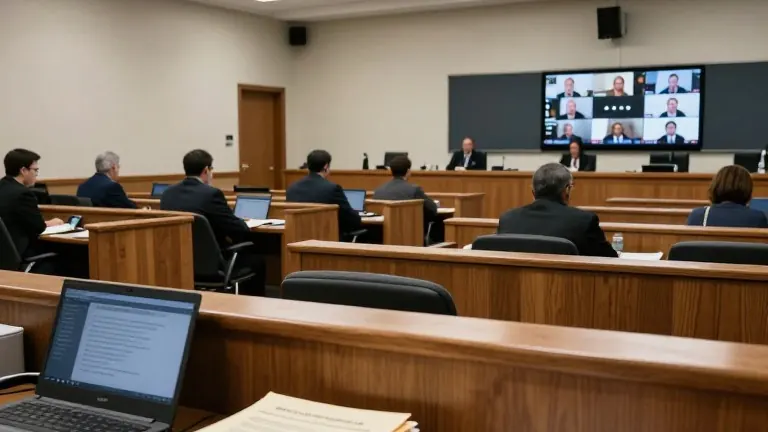
Immigration Judge Susanna Martinez presided over a packed courtroom in Chicago on Thursday, scheduling expedited hearings for approximately 100 immigrant children over a two-day period. The youngest defendants are four years old, and the docket includes cases from families residing in Illinois, Wisconsin, and Indiana.
The Children's Legal Center, a Chicago-based advocacy group, had 45 cases assigned to its attorneys for Thursday and another 45 for Friday. Laura Smith, the organization’s executive director, stated that the federal government appears to be accelerating deportation proceedings. She noted that her team has never seen cases move through immigration court with such speed.
Martinez addressed a 15-year-old boy, identified as Danny, via a virtual WebEx connection. She told him she would return him to Mexico or offered him the option of voluntary departure. Smith, who represents Danny, plans to file an appeal. She argued that the pressure to accept voluntary departure functions as coercion because the minors do not fully understand the legal process.
The court placed the cases on the calendar just one week prior to the hearings, giving legal teams eight days to prepare for 90 distinct files. Smith and supervising attorney Brigitte Kocheny described the timeline as inhumane. Smith explained that the team had to contact 90 families, arrange transportation, and verify service of process within that narrow window.
The children in these cases qualify for Special Immigrant Juvenile Status. This federal protection applies to unaccompanied minors who have been abused, abandoned, or neglected. Despite this status, the judge proceeded with the master hearing format. Kocheny noted that while large-scale hearings for adults are common, this is the first time she has witnessed such a mass scheduling event involving children.
Procedural errors emerged during the proceedings. One child missed her hearing because attorneys could not reach her in time, prompting the judge to reschedule her case for the following week. In another instance, the Department of Homeland Security mailed a notice to appear to an outdated address, even though legal counsel had submitted an updated location. DHS, ICE, and CBP did not respond to questions regarding the timing and concerns raised by the defense.
In a specific case, a 15-year-old boy from El Salvador attended with his grandmother, who traveled by train from Elgin. The boy arrived in the United States five years ago and lacks a safe guardian in his home country because his father is deceased. Smith observed that most children sat frozen in their chairs, too terrified to engage with the Halloween candy and fidget toys attorneys distributed to help calm them.