Chicago River Sewage Dump Hits Record High Before Fall
The Racine Avenue pumping station has released over 10 billion gallons of untreated sewage into the river this year, a figure higher than any year since 2019.
By Alina Campbell ·
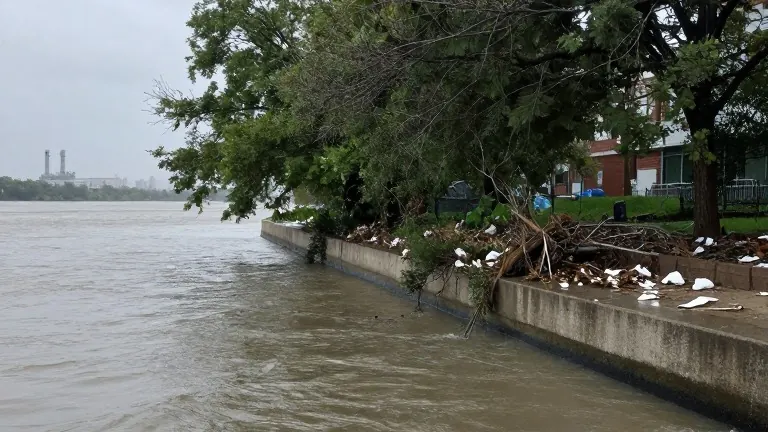
The South Branch of the Chicago River near Bridgeport is becoming a site of increasing concern for local residents and workers as the city prepares for colder weather. The issue stems from the Racine Avenue sewage pumping station, which is currently operating at record capacity.
This year, the station has dumped more than 10 billion gallons of untreated sewage into the river. This volume exceeds the amounts recorded in any year since 2019. The water flows from the station into the river, which eventually connects to the Chicago Sanitary and Ship Canal and the Des Plaines River.
Joe Gamble, an employee at the Chicago Maritime Museum, described the physical impact of the outflow. He said the smell of the water often clings to his clothing even after he has left the immediate area. The problem is most visible after heavy storms when the water level rises.
During these events, layers of organic material, including feces, condoms, and tampons, float past the shoreline. These items become trapped in the low-lying trees along the riverbank. Residents have given the frequent accumulation of condoms the nickname "Chicago whitefish."
The Metropolitan Water Reclamation District of Greater Chicago operates the pumping station. The agency explained that the dumps occur when heavy rains create a volume of water that exceeds the system's capacity to treat it. In Chicago, stormwater and wastewater travel through the same sewer pipes, creating a single large flow that must be managed during peak rainfall.
The district stated that releasing untreated sewage is a necessary measure to prevent flooding in nearby homes. However, the process bypasses the standard treatment facility where water is sanitized before being sent to the treatment plant. This direct release means the water carries bacteria and other pathogens into the river system.
Health experts note that the contaminated water poses a risk to people with weak immune systems. The presence of pathogens can also disrupt the local ecosystem, potentially wiping out fish populations in the affected areas for weeks after a major dump event.
The next major step in the city's infrastructure cycle is the official end of daylight saving time on Sunday at 2 a.m. Residents will need to adjust their sleep schedules to align with the new standard time, while the river continues to receive its daily flow from the pumping station.