Theologian Oord argues God cannot force human choices or suspend natural laws
A clergy perspective published in the Brainerd Dispatch challenges the idea that divine power relies on control, suggesting instead that God works through presence and invitation.
By Alina Campbell ·

Thomas Jay Oord, a theologian, proposes that God’s power is defined by love rather than control. This view suggests that the divine cannot unilaterally determine human choices or alter the natural processes of creation. The argument appears in a clergy reflection published in the Brainerd Dispatch on October 28, 2026.
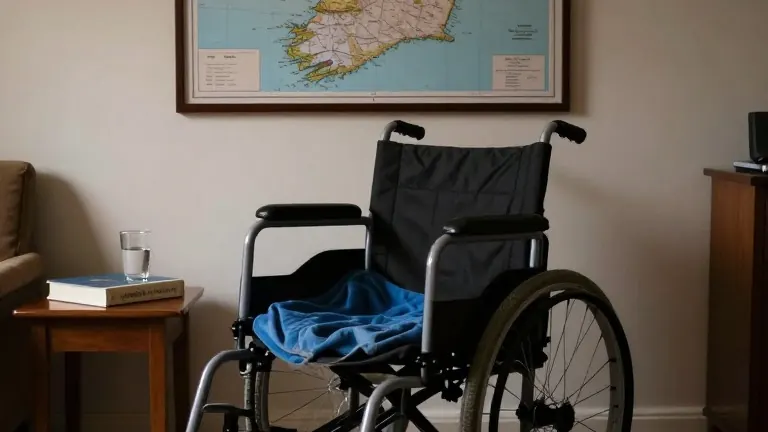
The piece begins with a personal account from 1957. The author was nine years old when his father, a Merchant Marine First Mate, collapsed on a screened porch. The father suffered his first grand mal seizure that day. The child prayed for his father's life. Six years later, the father died. The author asked why God did not heal him.
Common answers to such tragedies often include statements that God has a plan or works in mysterious ways. The author argues these responses can imply that suffering serves a divine purpose. Oord offers a different framework. He states that because God’s nature is love, God cannot coerce. Love does not force outcomes. Therefore, God cannot simply suspend the laws of nature to prevent every tragedy or guarantee every healing.
The reflection points to Jesus as the model for this type of divine power. Jesus washed feet, welcomed outsiders, and rode a donkey into Jerusalem. He did not ride a warhorse. On the cross, the author sees love made vulnerable rather than domination. This image contrasts with the idea of a God who controls or compels.
According to the text, God remains present during diagnosis, grief, and division. Divine presence does not remove pain, but pain does not remove that presence. God acts through what the author calls the sacred nudge. This nudge appears as compassion interrupting indifference or hope emerging from despair. God nudges people toward generosity, reconciliation, and justice. However, people can resist this influence. The future remains open.
This perspective changes the understanding of prayer. Prayer is not an attempt to control God. Instead, it opens individuals to divine presence. When people pray for peace, they become attentive to practicing peace. When they pray for healing, they open themselves to compassion. Prayer changes the willingness of the person to participate in love, rather than changing God's willingness to love it.
Hope is described as trusting that possibilities for love remain, even when circumstances are beyond control. These possibilities can be small. They include a hand held beside a hospital bed or a meal delivered to a neighbor. The author concludes that divine power is visible in compassion and relationship, not in domination or coercion. The final question shifts from why God does not act to what God is inviting people to do together.