Mortuary History: University Exhibit Traces Death Care
A new display at the Elmer L. Andersen Library examines how American society shifted from home-based mourning to professionalized death care during the 20th century.
By Marco Whitaker ·
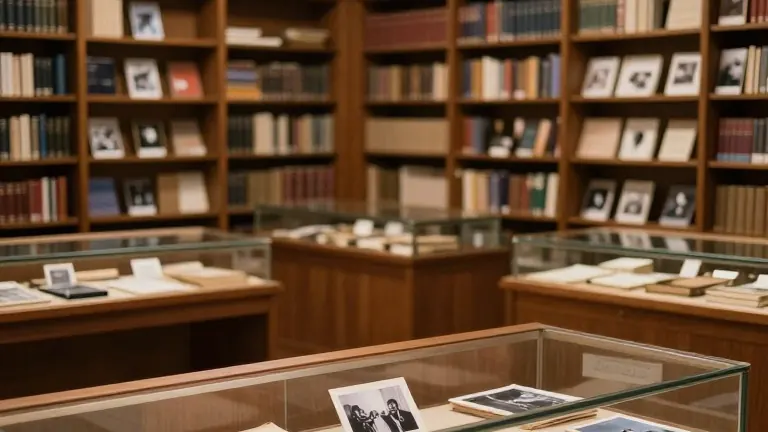
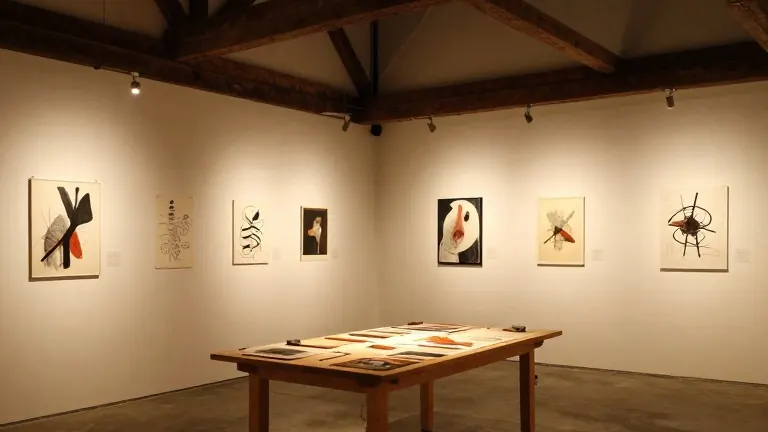
The University of Minnesota has opened a new exhibit at its Elmer L. Andersen Library that traces the historical transition of death care from family homes to professional institutions. Titled Unburied: Death and Mourning in the Archives, the display examines burial practices, mourning rituals, and the academic development of mortuary science.
The exhibit argues that modern media and entertainment have increasingly isolated Americans from the direct experience of death. Historically, families managed the care of deceased loved ones in their own homes, performing vigils and funeral rituals without professional intermediaries. The display suggests that this domestic control over the dying process has been replaced by a professionalized industry.
A central feature of the show is a case dedicated to the university’s Program of Mortuary Science. The program was originally established in 1908 as the School of Embalming, making it the first such program at a state university. It began within the Medical School and expanded to offer a Bachelor of Science degree in 1968. The display includes vintage course bulletins, a 1958 pamphlet marking the department’s 50th anniversary, and a 1925 supply catalog featuring morgue tables.
Curators also selected materials that illustrate the intersection of death with culture and politics. These include religious mourning practices from various global communities and examples of public mourning used as protest. One featured piece is an unpublished pencil sketch from the Gustaf Tenggren papers in the Children’s Literature Research Collections. The image, titled Was it a dream?, depicts a cloaked figure observing a skeleton rising from a grave to replace an epitaph with an honest account of a life lived.
Darren Terpstra, the ASC Exhibit Design and Project Specialist, noted that the response from the public has been stronger than anticipated. He stated that the exhibit covers the subject through archival materials, acknowledging that the topic is vast. Ann Tandy-Treiber, a lecturer in the Department of English, said the visual impact of the pieces contrasts with the modern distance society has developed from death over the last century.
Caitlin Marineau, assistant curator of children’s literature research collections, explained that visual materials are essential for visitors who do not read all the display text. She noted that many attendees prefer to view the images directly to understand the narrative. Kate Dietrick, archivist for the Upper Midwest Jewish Archives, said the mortuary science display emerged after conversations with other university archivists revealed the depth of those specific collections.
The exhibit is open to the public free of charge through Jan. 29.