Spain's Set Lunch Costs 14.70 Euros as Demand Slides
The average price of the daily set meal has risen, and weekly servings have declined since 2009.
By Marco Whitaker ·
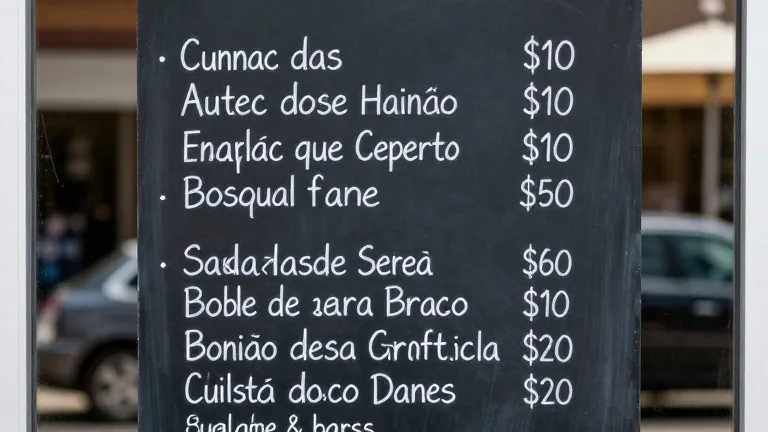
The average price of a set lunch in Spain has reached 14.70 euros. This cost increase coincides with a steady decline in the number of these meals served. Approximately four million such portions are still consumed on weekdays. However, the tradition is losing ground to other dining habits.
The daily menu, known as the menú del día, has been a staple of Spanish life for more than half a century. In 2009, chef Ferran Adrià declared the format dead. He cited changing eating habits, economic downturns, and the rise of bistro-style restaurants charging between 20 and 30 euros for simple meals. That prediction appeared premature as the format persisted through the subsequent years.
Food journalist Lakshmi Aguirre examines the history and current state of this institution in her new book, Menú del Día: Everyday Scenes of a First Course, a Second Course and Pudding. She argues that while the tradition is under pressure, it has not disappeared. The book traces the origins of the meal back to the mid-1960s.
The menú began as a tourist attraction created by Manuel Fraga, the information and tourism minister under dictator Francisco Franco. The regime aimed to show foreign visitors that Spanish food was plentiful, good, and affordable. Establishments were legally required to serve a soup starter, a main course of egg, fish, or meat with a side, and a pudding. A quarter-litre of Spanish red or white wine with at least 12% alcohol content was also mandated.
In the early 1970s, the offering was renamed to reduce its association with tourism and encourage local consumption. Many Spaniards today are unaware of its origin. Aguirre noted that people often react with shock when they learn about Fraga's role. She stated, "It says a lot about us Spaniards; we forget very quickly." She described the menu as a reflection of Spanish society's evolution.
Current pressures on the format include rising energy and food costs. These expenses make it difficult for small, family-run restaurants to maintain a rotating daily choice. Many diners now lack the time for a traditional sit-down lunch. They often bring food from home or heat up supermarket ready meals. Some restaurants have responded by offering a single dish of the day or adding Latin American staples to their menus.
Aguirre accepts these changes, stating the menú has always mirrored the society that eats it. She described the ideal meal as a simple vegetable stew, followed by hake in green sauce or baby squid in ink, and finished with leche frita or rice pudding. She suggests looking for venues with simple dishes, fresh chips, and a chalkboard free of trendy ingredients like avocado or burrata.
The decline of the set lunch affects social connection. Aguirre said, "What's being lost is a meeting point." She noted that these restaurants provide a place for families with limited means to eat out and for people living alone to find company. She added that the privilege of the menú lies "not just in being able to pay for a meal, but also in having the time to enjoy it."
More Culture · World news · Report a business · Got a Story?