Record 77% Turnout Leaves Israel Without a Clear Winner
Voter participation hit a 20-year high, but the split result forces a six-week coalition negotiation period.
By Alina Campbell ·
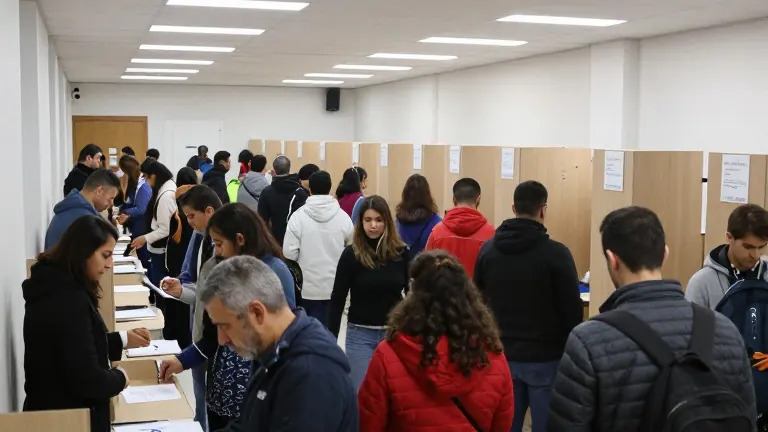
More than 77% of Israeli voters cast ballots in Tuesday's parliamentary election, a turnout figure that election officials confirmed is the highest in over two decades. Despite the massive participation, a clear victor had not emerged by Wednesday morning as the official tally remained tight between Prime Minister Benjamin Netanyahu and his main rival, Gadi Eisenkot.
The voting process followed the war in Gaza that began with the Hamas-led attack on October 7, 2023. Tens of thousands of expatriates returned to the country to vote, joining domestic citizens who expressed frustration with the current government. Arab voters, who comprise approximately 20% of the population, played a major role in the early results. Two Arab-led factions, the United Arab List and the Joint List, posted strong showings that gave the opposition bloc a numerical edge over Netanyahu's right-wing alliance in the initial counts.
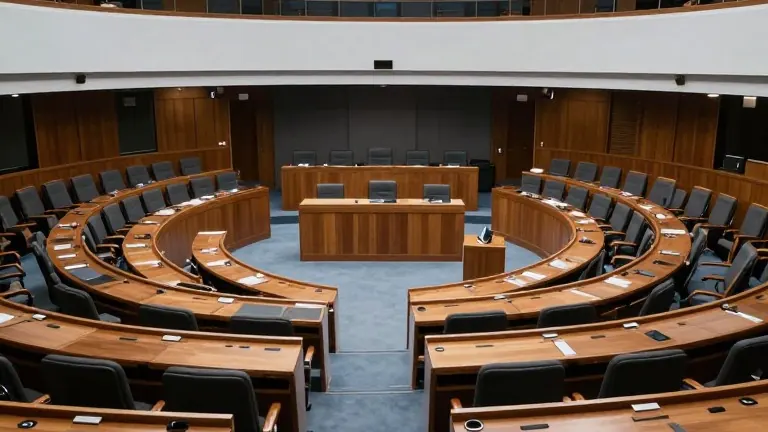
Both leaders addressed supporters overnight on Tuesday, each claiming an early victory. Eisenkot, a former military chief of staff, told his audience, "We made history! The public has voted for change." Netanyahu countered that his camp secured a decisive majority among the Zionist public. The closeness of the race suggests a period of political gridlock ahead, as no single party has ever won a majority outright in the 120-seat Knesset.
Forming a government requires a coalition of at least 61 lawmakers. The final outcome will depend on negotiations between competing alliances. Both Netanyahu and Eisenkot have historically resisted partnering with Arab-led parties, yet those parties may become essential kingmakers to reach the required threshold. Eisenkot's camp, which includes the Yashar party and the Democrats party, is pushing for a broader coalition that includes these factions to secure power.
Yair Golan, leader of the Democrats party, urged his bloc to overcome historical mistrust of Arab political leaders. He stated, "We have no future here if we don't stop being afraid. And if we don't stop with the racism." This potential partnership faces scrutiny from voters who remain divided on the government's handling of the war and its international standing.
Election officials expect to complete the count, which includes hundreds of thousands of ballots from soldiers, by Thursday afternoon. The candidate with the highest vote share will receive the first opportunity to form a government. That process has a statutory window of six weeks. If the leading candidate fails to build a coalition, Netanyahu will remain as a caretaker prime minister, and the country will face a repeat election next year.