Midterm History Repeats: Democrats Defy Presidential Party Curse in Sweeping 2026 Victory
Republicans lost 30 House seats and 7 Senate seats as voters rejected the president's party, fulfilling the long-standing pattern of midterm losses for governing coalitions.
By Marco Whitaker ·
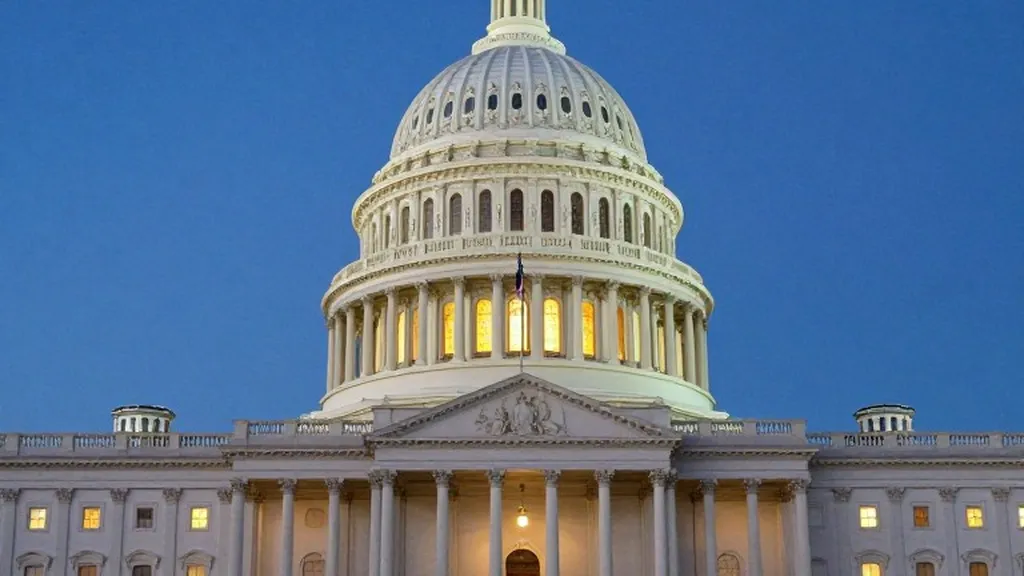
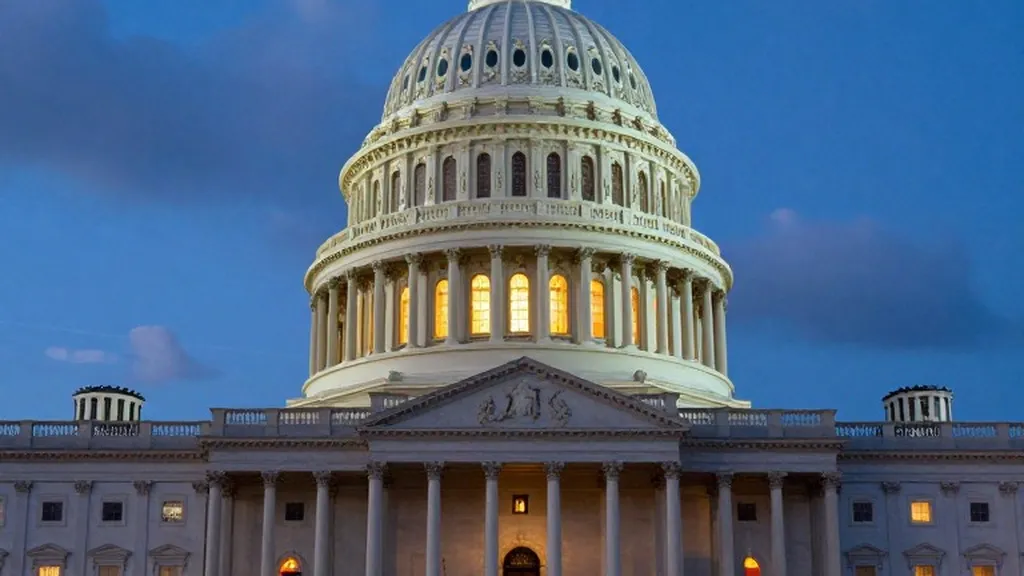
Washington, D.C. The historical rule that the president's party loses seats in midterm elections played out with unusual force on Tuesday, November 3, 2026. Democrats reclaimed both chambers of Congress, a shift that analysts say confirms the recurring pattern of voter backlash against the governing coalition. The Associated Press reported that Democrats took control of the U.S. House of Representatives, winning 233 seats to the Republican 138, a net gain of 30 seats. This margin significantly exceeds the typical swing seen in recent decades, signaling a deep dissatisfaction among voters with the current administration.
The U.S. Senate also flipped party control. Democrats won 20 of the 35 races held, while Republicans captured 13, with two races remaining uncalled at the time of the data compilation. This resulted in a net gain of seven seats for the Democratic Party. The loss of the Senate is particularly notable because Republicans entered the election with a 53-47 majority. The Associated Press noted that this shift sets up a divided government where Congress is poised to challenge President Donald Trump's agenda in the coming two years.
The pattern of midterm losses for the president's party has been a consistent feature of American political history. In 2018, during Trump's first term, Republicans lost the House majority. Now, in his second term, the party faces a similar fate but with greater stakes. The AP Voter Poll indicated that about six in ten voters disapproved of how Trump was handling the presidency. This approval rating, one of several polls conducted around the election, suggests that the president's personal popularity became a significant factor in the outcome, dragging down candidates across the country.
Republicans attempted to counter the historical trend through aggressive redistricting efforts. At the urging of President Trump, Republicans in eight states redrew congressional district boundaries to create more favorable maps. The Associated Press reported that these efforts failed to secure the necessary seats. In Texas, Florida, and Alabama, the new districts did not produce the expected Republican gains. In some cases, such as Texas, the redistricting may have mobilized additional Democratic voters, contributing to the party's historic sweep of state government offices.
The economic environment played a central role in the outcome. The AP Voter Poll found that three-quarters of voters described the economy as not so good or poor. About eight in ten respondents said inflation had caused moderate or severe financial hardship for their households. Issues such as the cost of groceries, gas prices, and housing affordability dominated the campaign. Democrats framed the election as a referendum on these kitchen-table issues, promising to lower costs and rein in utility bills in the new Congress.
State-level results mirrored the federal trend. Democrats took full control of both statehouse chambers and the governor's office in at least five states where they previously shared power. Ballotpedia data shows that Democrats gained control of four governorships in Georgia, Iowa, Ohio, and Texas. This is the first time Democrats have controlled the Texas state House since Republicans took over after the 2002 election. The Associated Press noted that these state-level wins allow Democrats to influence policies on tax rates, education funding, and data center development.
President Trump responded to the results by focusing on his White House ballroom construction project rather than the electoral defeat. He told reporters that if he had been on the ballot, he would have won in a landslide. The president also suggested that his party's candidates did not receive enough love from supporters during his rallies. Vice President JD Vance blamed the war in Iran for the losses, questioning whether the conflict was worth the cost. These reactions highlight the internal divisions within the Republican Party as it seeks to understand why its efforts failed to hold the majority.
House Democratic Leader Hakeem Jeffries, who is expected to become the first Black speaker of the House, vowed to deliver on the change voters demanded. He announced a 100-day agenda that includes efforts to lower the costs of gas and groceries. The new Democratic majority also plans to launch a robust oversight agenda to scrutinize the Trump administration. The Associated Press reported that impeachment is an option on the table, with top Democrats on the House Oversight Committee issuing warnings to the White House.
The election results have already begun to impact global markets. Reuters reported that investors are pricing in two years of gridlocked government, which could reshape trade policies and energy prices. The Democratic victory has also raised questions about the durability of the Supreme Court's conservative majority, as the new Congress may seek to assert more checks on the executive branch. The shift in power represents a fundamental reshaping of the political landscape in Washington.
Looking ahead, the new Congress will face the challenge of governing in a divided government. Democrats will need to balance their mandate for change with the reality of a president who has vowed to use his veto power. The Associated Press noted that the coming legislative session could see major efforts to lighten the tax burden on the middle class and expand access to healthcare. The 2026 midterms have confirmed that the historical pattern of midterm losses for the president's party remains a powerful force in American politics.
The final tally from Ballotpedia shows a net change of 30 House seats in favor of Democrats and 7 Senate seats. This outcome is a stark reminder of the volatility in American political cycles. As the new Congress prepares to convene in January, the focus will shift to how effectively the Democrats can implement their agenda in the face of presidential opposition. The election has set the stage for a contentious two-year period in which both branches of government will test their limits.