Lunar Logistics: NASA Reveals New Launch Count
A new internal estimate suggests that twenty-two Starship flights are needed to fuel a single crewed mission to the Moon.
By Alina Campbell ·
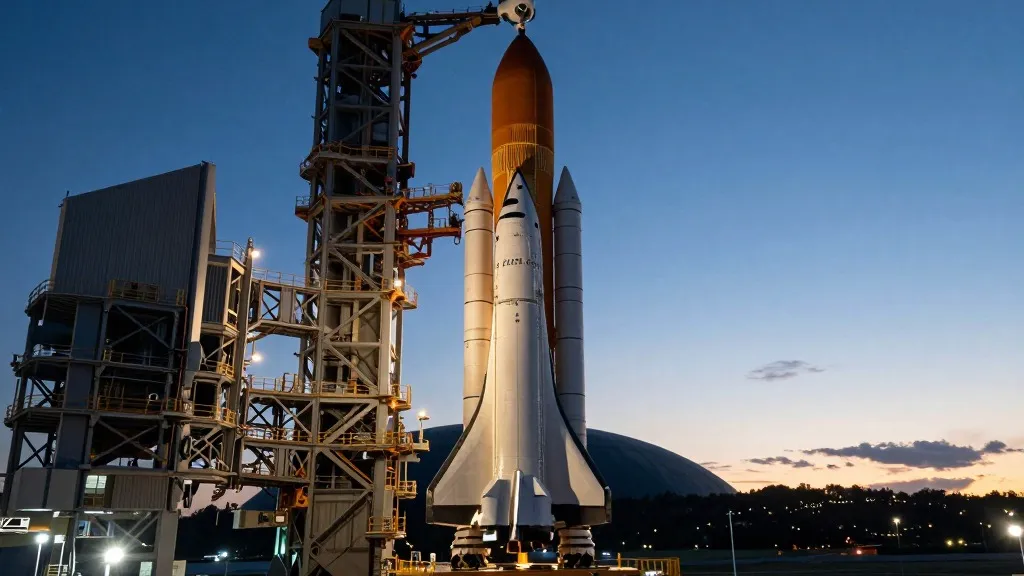
NASA has finally offered a specific figure for a long-guarded secret regarding its Artemis program. The space agency now estimates that twenty-two Starship launches are required to support a single crewed lunar landing. This number was shared during a recent safety review and marks a significant shift from previous, more vague projections. It provides a concrete target for engineers and policymakers who have long debated the feasibility of the plan.
The figure of twenty-two is not a small one. It represents a massive logistical undertaking in low-Earth orbit. To put this in perspective, the agency previously suggested the number might be in the high single digits or low double digits. Some officials even mentioned the high teens. The jump to twenty-two indicates a more conservative approach to fueling calculations. It suggests that the team is accounting for higher fuel losses or less efficient transfer rates than earlier models predicted.
This update comes from the NASA Aerospace Safety Advisory Panel. The group met on Thursday for its quarterly session. Panel member Charlie Precourt, a former NASA astronaut, presented the data. He discussed the risks associated with landing humans on the Moon. He highlighted the complexity of refueling a Starship-based lander in orbit before it heads to the lunar surface. The presentation offered a clearer picture of the operational challenges ahead.
The core of the operation involves a dedicated depot ship. This vehicle remains in orbit to collect propellant from multiple tanker flights. Each tanker carries liquid oxygen and methane. The depot must be fully loaded before the crewed lander can depart. The twenty-two figure accounts for the depot launch itself plus the necessary tanker missions. It assumes a certain level of efficiency in the fueling process. Any inefficiency could push the number even higher.
SpaceX is the primary partner for this effort. The company has long promised to increase the lift capacity of the Starship rocket. Higher capacity would mean fewer tanker flights are needed to fill the depot. However, NASA officials are now expressing concern that these improvements may not arrive soon enough. They worry that the timeline for boosting Starship’s performance might slip. This could impact the goal of returning humans to the Moon within this decade.
The delay in capacity upgrades creates a tight window for the Artemis program. NASA must balance optimism with realistic engineering constraints. The new estimate serves as a benchmark for future planning. It allows the agency to allocate resources more effectively. It also sets expectations for the public and industry partners. The clarity provided by the number twenty-two helps streamline decision-making processes.
Previous statements from NASA leadership were intentionally non-specific. Lisa Watson-Morgan, the former director of the Human Landing System, told reporters in 2023 that the agency had a general idea but was reluctant to commit to an exact number. She later described the range as high single digits to low double digits. That implied roughly a dozen launches. The new estimate doubles that rough approximation. It signals a more cautious outlook on the technical challenges of orbital refueling.
The stakes are high for the Artemis program. Success depends on reliable and efficient logistics in space. The fueling operation is the critical link between Earth and the Moon. Without a fully fueled lander, the crew cannot reach their destination. The twenty-two launch requirement underscores the scale of the operation. It highlights the dependence on frequent and precise rocket flights. NASA is now working within these defined parameters to ensure the mission’s success.
This development offers a clearer path forward for the space agency. It moves the conversation from speculation to concrete planning. The safety panel’s input adds weight to the new estimate. It reflects a thorough review of potential risks. As NASA moves closer to the next crewed lunar mission, this number will likely guide many of its strategic decisions. It is a pivotal data point in the ongoing effort to return humanity to the Moon.