HHS Orders FDA To Stop Blocking Sale of Unapproved Peptides
New guidance allows specialty pharmacies to sell injectables like BPC-157 despite internal agency opposition.
By Marco Whitaker ·
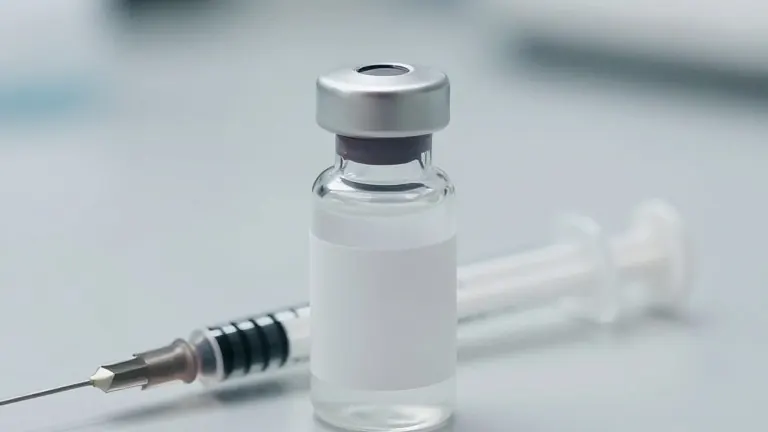
The Department of Health and Human Human Services issued a new policy on Wednesday that directs the Food and Drug Administration to stop enforcing rules against specialty pharmacies selling specific unapproved injectable peptides.
The directive covers six wellness peptides, including BPC-157, TB-500, and KPV. Under current federal regulations, these chemicals are considered illegal drugs because they have not completed the FDA review process for safety and effectiveness. The new document instructs the agency to look the other way while these substances are sold by licensed compounders.
Six people familiar with the development of the policy told the Associated Press that FDA scientific staffers opposed the change. They said the agency’s internal experts had little input on the final decision. The policy was primarily written by HHS rather than the FDA, marking a departure from standard procedure where the drug regulator leads compounding decisions.
Health Secretary Robert F. Kennedy Jr. has publicly supported the use of peptides. He previously described using BPC-157 to treat a muscle injury. In the newly posted document, Kennedy stated the change advances patient choice and freedom. He also noted the move protects Americans from peptides sold online that are often made from unscreened ingredients.
The policy allows the government to take public comments for two weeks. It represents a step back from HHS' original plan, which sought an official FDA regulation adding these peptides to a list of safe substances for compounding. FDA officials warned that their scientific staff had major safety concerns and would not support such a regulation. HHS then shifted to the current approach of directing the FDA not to enforce its existing rules.
FDA staffers provided technical assistance in drafting the final plan. They included guardrails requiring pharmacies to use peptide ingredients from FDA-registered factories. Compounders are also directed to collect information on side effects and verify the purity of the peptides they use. However, Dr. Peter Lurie, a former FDA official, pointed out that the FDA does not have legal authority to enforce those specific pharmacy requirements.
The peptide industry has grown in size and influence. Wall Street analysts estimate the market could be worth more than $2 billion. Major telehealth providers, including Hims & Hers, have announced plans to offer wellness peptides once the government changed its policy. Lee Rosebush of the American Academy of Peptide Medicine said in an online post that HHS had taken a huge step for patient and provider medical freedom.
Critics question the timing and the scientific basis for the change. Lurie, who now leads the nonprofit Center for Science in the Public Interest, noted that the FDA has already approved rigorously tested drugs for conditions like insomnia and anxiety. He warned that diverting patients toward unproven peptides could lead to more unnecessary pain and suffering. He also described the move as a wink and nod to the Make America Healthy Again faithful ahead of the midterm election.
A spokesperson for HHS said the agency is confronting the risks of black-market peptides by providing a more controlled alternative. The Alliance for Pharmacy Compounding said several details need clarification, including how the policy intersects with state pharmacy boards. Decisions over compounding have almost always rested with the FDA, which has a dedicated office for protecting consumers from unsafe compounded drugs.
In 2023, the FDA added BPC-157 and TB-500 to a list of substances that should not be compounded due to risks of allergic reactions, kidney damage, and tumor growth. At a meeting in July, FDA staffers reiterated that the peptides remained unproven in terms of safety and effectiveness. A panel of outside experts selected by Kennedy’s HHS voted to drop restrictions on the six peptides named in Wednesday’s document. The panel included doctors, pharmacists, and consultants who work in the peptide field.