Four states ban SNAP junk food purchases
Montana, North Dakota, South Carolina, and Virginia start new restrictions on November 1, limiting what beneficiaries can buy with federal aid.
By Marco Whitaker ·
SNAP recipients in Montana, North Dakota, South Carolina, and Virginia face new purchase limits beginning November 1. These four states have joined a growing group of jurisdictions that restrict the use of federal food assistance benefits for items like soda and candy.
The new rules vary by state. Most of the restrictions target sugary drinks, energy drinks, and candy. This move follows similar waivers enacted earlier this year by Indiana, Utah, Idaho, Oklahoma, Louisiana, Texas, Florida, and Arkansas.
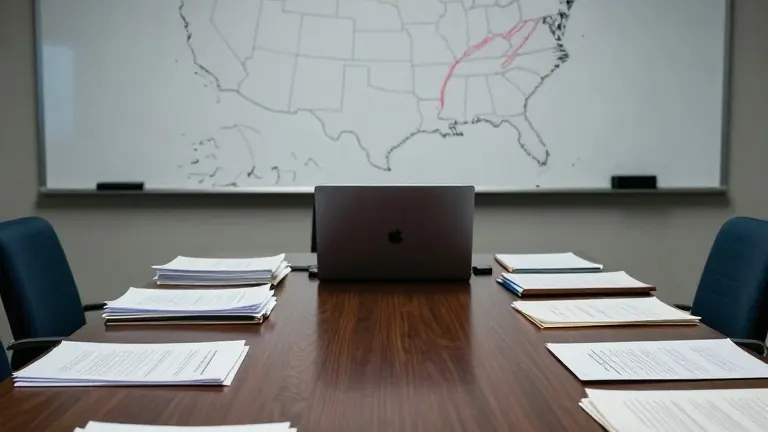
Nebraska is scheduled to implement its own restrictions later this year. Wyoming, Kansas, Missouri, Ohio, and Hawaii plan to adopt similar rules in 2027. Nevada is set to follow in 2028. These timelines reflect a steady expansion of state-level controls on the program.
Five other states had planned new regulations but paused their efforts on June 22. U.S. District Judge Amy Berman Jackson vacated the U.S. Department of Agriculture’s approval of the pilot program. The judge sided with plaintiffs who argued the restrictions would limit access to food for recipients in those states.
Judge Jackson ruled that the USDA lacked the authority under federal law to approve state requests to bar SNAP recipients from buying sugary foods and drinks. The decision halted the specific pilot program approval but did not stop states that had already secured waivers through other means.
Agriculture Secretary Brooke Rollins and Health and Human Services Secretary Robert F. Kennedy Jr. have endorsed the waivers as part of the Trump administration’s Make America Healthy Again initiative. The USDA states that these waivers give states more flexibility to manage their programs by restricting non-nutritious items.
Secretary Rollins said in a release that the waivers promote healthier options for families in need. She noted that the department’s commitment to supporting Americans during hard times remains unchanged. Secretary Kennedy added that SNAP has long used taxpayer dollars to fund products that contribute to chronic disease epidemics.
The USDA Food and Nutrition Service oversees the SNAP program. In fiscal year 2025, the program cost between $101.7 billion and $102.6 billion. It provides an average of $188 per month to more than 42 million people. States administer applications and load benefits onto prepaid electronic benefit transfer cards for use at stores.