Democrats Take Both Chambers of Congress, Flip Six State Governments in Historic Midterm Rout
Voters punished the president's party across the map, handing Democrats control of the House and Senate while shifting state power in key battlegrounds.
By Alina Campbell ·
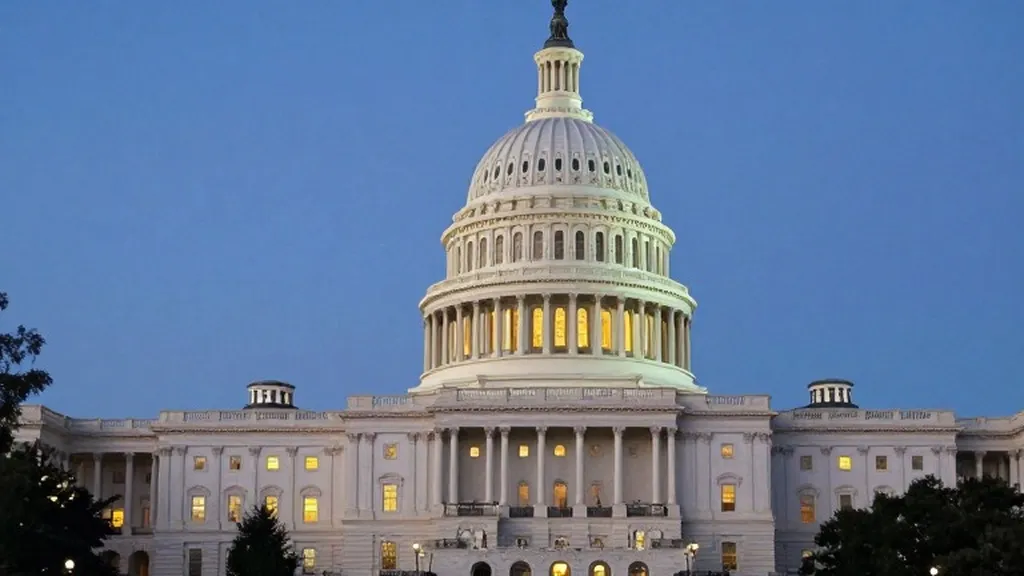
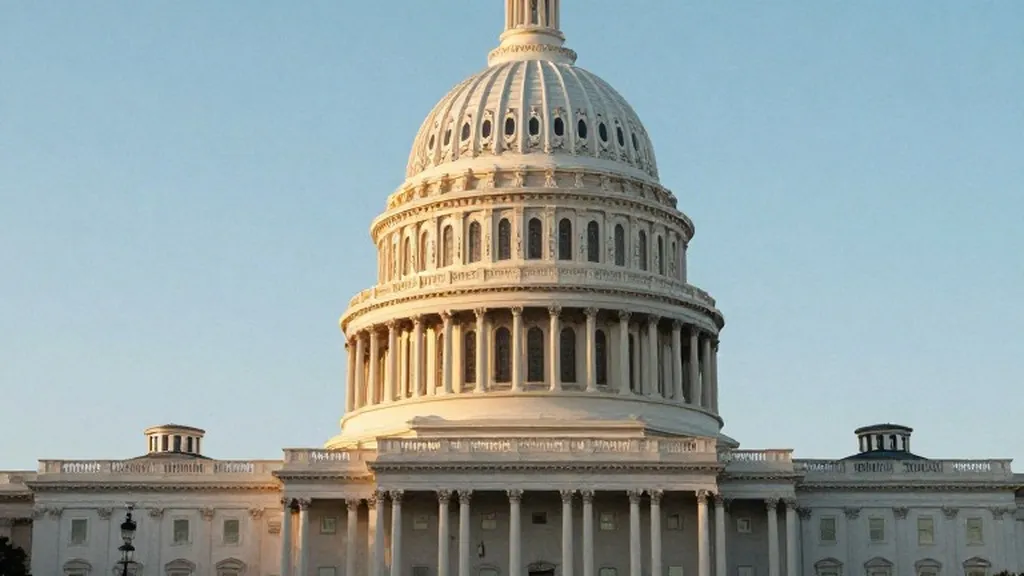
WASHINGTON (True Newz Live) The midterm elections have concluded, and the results mark a decisive shift in American politics. Democrats have secured majorities in both the U.S. House of Representatives and the U.S. Senate, ending Republican control of the federal government. This outcome represents one of the most significant partisan swings in recent decades, as voters across the country responded to concerns over the economy and the administration's direction.
In the House of Representatives, Democrats have won at least 250 seats, establishing a firm majority of 250 to 157 as of the latest tallies. This result comes after Republicans held a 220 to 215 majority heading into the election. The Democratic gain of at least 41 seats signals a strong mandate for change in the lower chamber. With this new control, Democrats are positioned to lead legislative efforts on issues that many voters cited as priorities, including cost of living and checks on executive power.
The Senate race also saw a dramatic reversal of power. Democrats have won 20 of the 35 seats on the ballot, while Republicans have secured 13. Two races remain uncalled, but the current projection indicates a 54 to 44 Democratic majority. This shift is particularly notable because seven Senate seats changed hands from Republicans to Democrats. The states where these flips occurred include Iowa, Kansas, Maine, North Carolina, Ohio, South Carolina, and Texas. This level of seat turnover places the election among the top wave elections against a president's party in modern history.
The impact of the election extends well beyond Washington, D.C., as Democrats have taken full control of state governments in at least six states where they previously shared power with Republicans. These states include Arizona, Michigan, Minnesota, Pennsylvania, Nevada, and Wisconsin. In Arizona, the Democratic victory is historic, marking the first trifecta for the party in the state since 1966. Governor Katie Hobbs will now work with a legislature aligned with her party, allowing her to pursue her agenda on water issues, affordability, and school voucher reforms without the constant vetoes that characterized her first term.
Texas also saw a major change in leadership, with Democrat Gina Hinojosa defeating Republican Governor Greg Abbott. Hinojosa becomes the state's first Democratic governor since 1994 and its first Latina governor. This win is part of a broader trend in the state, where Democrats also took control of the Texas House of Representatives, a chamber Republicans had held since 2003. While Republicans retained the Texas Senate, the shift in the lower chamber and the governor's office signals a new era of divided government in the state that will likely influence policy on immigration and public safety.
Voters expressed clear dissatisfaction with the current economic conditions, which played a central role in the election outcomes. According to pre-election polling, three-quarters of voters described the economy as not so good or poor, and about eight in ten reported that inflation had caused financial hardship for their households. These economic concerns were cited as crucial factors by roughly half of the electorate, surpassing other issues such as immigration enforcement and foreign policy. The high price of essentials like gas and groceries drove many voters to support candidates who promised to address these daily struggles.
The election results also reflect a desire for stronger checks on the executive branch. Many voters cited government corruption and the cost of living as their top priorities when deciding how to vote for Congress. This sentiment was particularly strong in states that were traditionally considered safe for the president's party. The turnout was significant, with more than 59 million people casting ballots before election day, surpassing early-voter turnout from the previous midterm cycle in 2022. This high level of participation suggests a deeply engaged electorate that felt the stakes were high.
In the aftermath of the election, new state leaders are already taking action to reflect the will of their constituents. In Houston, Mayor John Whitmire signed an order limiting police cooperation with federal immigration authorities. He described the move as a direct result of Democrats reclaiming power in Texas for the first time in decades. The new directive restricts when police must contact Immigration and Customs Enforcement, focusing on individuals with jailable offenses rather than those with administrative warrants. This policy shift aims to ease tensions in immigrant communities and aligns with the broader Democratic platform of balancing border security with local concerns.
The National Council of State Legislatures suggests that this election will likely stand as the one with the most legislative seats and chambers changing parties since 2010. In 2010, Republicans took over governments across the country amid the Great Recession. Now, Democrats have achieved a similar scale of change, flipping 12 state legislative chambers and winning a majority of governorships for the first time since before 2010. This broad-based success indicates that the Democratic gains are not limited to a few key states but are part of a national trend that will shape the next two years of policy.
As the new Congress prepares to convene in January, the focus will shift to implementing the changes demanded by voters. Democrats in the House are already signaling their intent to reverse certain trade policies and tariffs, citing the need for fairness in international agreements. In the Senate, the new majority will face the challenge of passing legislation in an environment where the president's party still holds executive power. The coming months will test the ability of the new Democratic leadership to deliver on the promises made to an electorate that is eager for change and economic relief.