HourCar Closure Hits Minneapolis Family After Just 10 Years
A car-free family in Minneapolis loses its primary backup for school runs and specialist visits as the Twin Cities carshare service shuts down.
By Samir Doyle ·
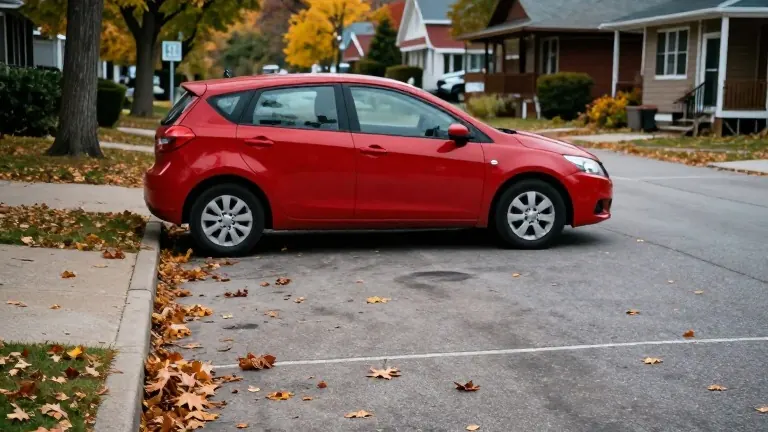
Christopher R. Vaughan’s family has operated without a private vehicle since 2021. When his Toyota Corolla was totaled in a crash outside Chicago, the cost of a replacement proved too high for a household of four. They turned to biking, walking, and transit. For most trips, those methods worked. For the difficult ones, they relied on HourCar.
The service provided a critical safety net for Vaughan’s household. His wife, a nurse at Hennepin County Medical Center, used the Evie Carshare program to commute from their Lyndale home to Metro State University in St. Paul. She also used the vehicles for clinical placements across the Twin Cities. The family used HourCar for medical appointments, such as a specialist visit for their son in Burnsville, and for late-night trips home from University of Minnesota basketball games.
Vaughan noted that the cars were essential for logistics that public transit could not handle. He recently took his children camping in Southern Minnesota using an HourCar. The trip included hikes in two state parks and a drive home through fall foliage. Four days after that trip ended, he learned the company would close its doors.
The shutdown leaves Vaughan’s family with fewer options for daily life. Without the shared vehicles, he expects to take more time off work for appointments. Some trips will become expensive rideshare services. Other trips, particularly those with young children in bad weather or late at night, may become too inconvenient to make at all. The loss of a reliable backup vehicle reduces the family’s access to the broader Twin Cities region.
Vaughan is one of thousands of people in the metro area who considered HourCar a lifeline. The service operated for a decade before the closure. He has called on local and state leaders to find short and long term funding solutions to restore the program. He acknowledges that the financial and legal details are complex, but he believes partners must act to bring carshare back to Minnesota.
The family now faces a future with constrained transportation choices. They will have to reevaluate every trip that previously required a car. The decision to go car-free was driven by affordability after their 2021 accident. Now, they must find new ways to manage the gaps in their daily routine without a personal vehicle or a shared one.