Arizona Carver Regains Steady Hands After Brain Procedure
Deep brain stimulation allows Bill Daggett to resume woodcarving, a craft Parkinson’s disease had forced him to abandon.
By Marco Whitaker ·
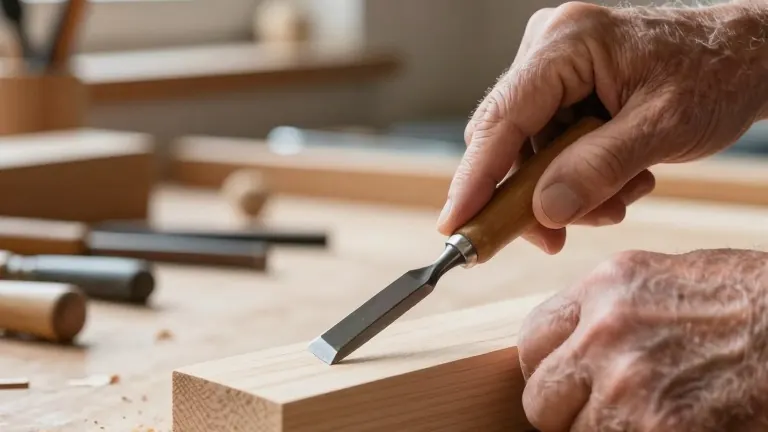
Bill Daggett, a woodcarver in Phoenix, Ariz., can now hold a chisel without his hands shaking. The procedure that restored his dexterity is deep brain stimulation, a therapy that sends electrical pulses to the brain to control tremors. For Daggett, the treatment marks the difference between being able to work and being unable to eat.
The diagnosis came after a physician noticed Daggett’s tremors at an art show. That doctor urged him to seek a medical evaluation, which confirmed Parkinson’s disease. Daggett said the symptoms worsened to the point where he struggled with basic tasks. He described the isolation that followed, noting that he did not want to be seen when he could not hold a fork and bring it to his mouth.
Medication alone was not enough to manage his condition. Daggett opted for deep brain stimulation. The device functions similarly to a pacemaker for the heart, but it is implanted in the brain to regulate electrical signals. Sam Cradduck, a gerontologist and host of the program “Aging Untold,” explained that the therapy helps the brain reset its rhythm. Cradduck noted that the procedure reduces tremors and can slow the side effects associated with the disease.
The procedure has allowed Daggett to return to the studio. His hands are steady again, enabling him to carve wood as he did before the diagnosis. Cradduck emphasized that the therapy addresses the emotional toll of the disease. He observed that while the physical loss of ability is visible, the emotional loss is often overlooked. Daggett was deeply connected to his identity as an artist, and the disease was stripping away that part of his self.
Cradduck characterized the therapy as a breakthrough for quality of life for those who have lived with Parkinson’s for years. He stated that the procedure helps preserve the parts of a person that are not just physical functions. For Daggett, the ability to create again represents the recovery of a core aspect of his identity.
The program “Aging Untold” provided the details of Daggett’s experience as an educational segment. The producers noted that the information is for informational purposes and does not constitute medical advice. Viewers are advised to consult with a licensed physician regarding their own health conditions and to seek professional care for diagnosis or treatment.
Daggett’s story illustrates the specific impact of the therapy on a patient’s daily life. The procedure did not cure the disease, but it removed the barrier that prevented him from practicing his craft. He is now back in the workshop, using tools that he had been unable to manage for a period of time.