Andalusian Bloc Blocks Wildfire Inquiry
Families of the nine British victims of the Bedar fire say regional leaders rejected a public probe into the July disaster.
By Alina Campbell ·
The Andalusian regional parliament has voted down a motion for an official commission of inquiry into the July 9 wildfire that killed 15 people in Bedar. The governing People's Party and the far-right Vox party blocked the request, a move that has angered the families of the nine British nationals who lost their lives in the blaze. The opposition Socialist Party, which holds power in Madrid under Prime Minister Pedro Sanchez, had proposed the probe to determine why emergency alerts were not sent to residents' mobile phones.
Duncan Chard, who lost his father Michael and his father's partner Christine, described the political block as an insult. He argued that a timely evacuation warning could have saved his father's life. The regional government, led by the People's Party, contends that an ongoing criminal investigation is sufficient to uncover the facts. They maintain that a separate public inquiry would duplicate efforts already underway in the courts.
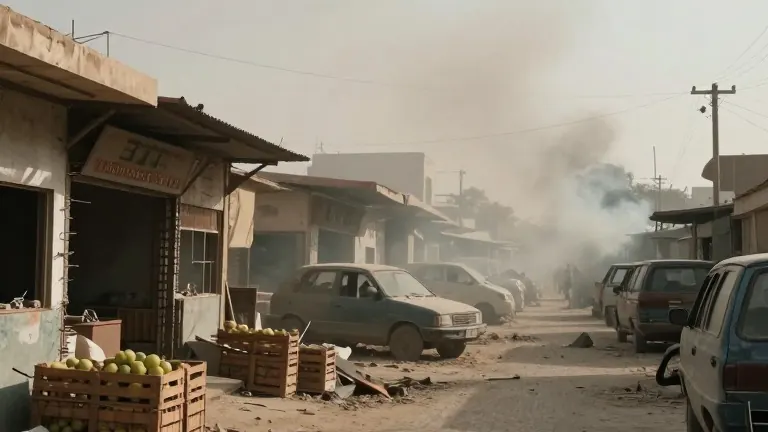
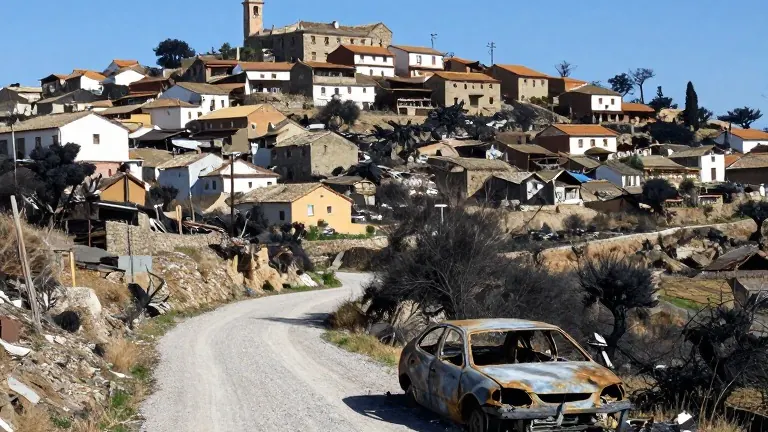
The fire swept through the hillside village of Bedar in southeastern Spain on the morning of July 9. Fourteen of the 15 victims were foreign nationals, including three Belgians, one French citizen, and one American. The final victim was Spanish. Many residents trapped on what locals call English Hill reported receiving only minutes' notice before the flames arrived. Thomas-Wolf Verdonckt, a Belgian virologist whose 63-year-old father Stanislas died in the fire, said he was on the phone to his father when the heat rose. Verdonckt stated that the only contact from authorities was a police car with sirens on, arriving just before the fire engulfed the area.
Regional emergencies chief Antonio Sanz explained that the mobile alert system was not used because it could not be targeted to specific neighborhoods. Officials worried that a blanket alert might cause panic and traffic jams among those who should have stayed indoors. Families reject this rationale. Chard urged authorities to ring bells, send police with horns, or go door to door rather than relying on a digital system that failed to reach everyone.
Grief for the victims has been compounded by post-disaster handling of personal effects. Danni Gillam-Kirton, an assistant headteacher from Nottinghamshire who lost her parents Pete and Fran, found human-looking bone fragments in her father's burnt-out car in August. Police had previously told her the vehicle had been searched and nothing of value remained. When she discovered the bones, jewelry, phones, and keys, she complained to the Guardia Civil. The police later told her the fragments were animal remains, a conclusion disputed by a forensic anthropologist who worked on the Grenfell Tower fire.
The cause of the fire, known as the Los Gallardos fire, remains under criminal investigation. In July, the Guardia Civil suggested a fallen power line started the blaze, though that theory has faced questions. In September, Sanz signed a letter refusing to release government reports to Socialist MPs, citing a court order keeping the case file confidential. Gillam-Kirton noted that the criminal case focuses on the ignition source, not the emergency response, unless families hire lawyers to present that evidence to a judge.
Support groups in the UK, Belgium, and Spain have launched a fundraising appeal to cover legal costs. The campaign, hosted on helpbedar.com, aims to collect 100,000 euros, or roughly 83,000 pounds, to pursue legal action. So far, the group has raised approximately 11,000 euros through events in both countries. Chard described the effort as David versus Goliath against the Andalusian government. The families seek a transparent process to identify failures so that similar tragedies can be avoided.
The Bedar fire produced the highest death toll from a single wildfire in Spain during the 2026 summer. It ranks among the largest fires in the country's history. The village's emergency plan was last approved in 2019, and officials say it is currently being updated. The municipality is classified by the Andalusian government as being at risk from wildfires. The families continue to push for a public acknowledgment of errors from the authorities who managed the crisis.