ACA Premiums Double for Michigan Family as Democrats Weigh Medicare for All
Monthly costs jumped from $700 to $1,300 after subsidy expiration, fueling debate over universal coverage in the new Congress.
By Marco Whitaker ·
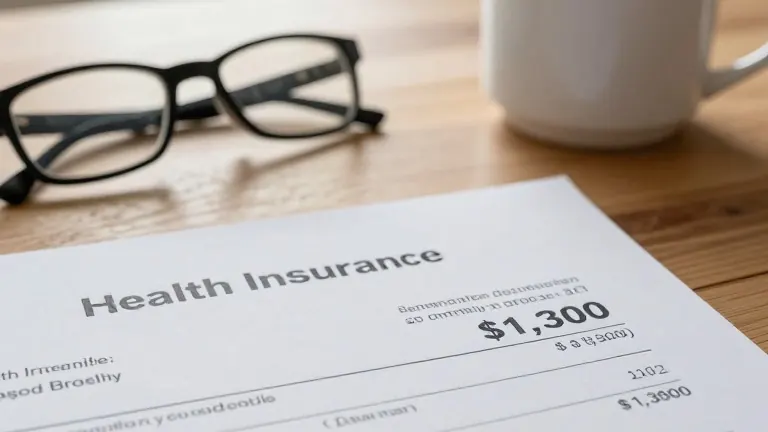
Michigan resident Jaime Bardenhagen’s monthly health insurance premiums surged to $1,300 in 2026, more than doubling the $700 she paid previously. The spike followed the expiration of enhanced Affordable Care Act subsidies at the end of last year. Her family now faces a $7,500 deductible, prompting them to delay medical tests recommended by her doctor. Bardenhagen, a former nurse in rural Leelanau County, said the costs made it impossible to afford necessary care.
The 2026 midterm elections brought a wave of progressive candidates to Congress who championed universal healthcare. Abdul El-Sayed, a senator-elect from Michigan, made Medicare for All a central part of his congressional campaign. El-Sayed described his current plan as a guaranteed baseline of government health insurance. He noted that individuals who prefer employer or union insurance can maintain those plans under his proposal.
Healthcare affordability was a dominant theme in the election. Jonathan Oberlander, a healthcare reform expert at the University of North Carolina-Chapel Hill, stated that the affordability crisis drove voter sentiment. He noted that while many progressive candidates won, they generally secured smaller margins than moderate Democrats. This suggests that a majority for Democrats does not automatically equal a majority for Medicare for All.
Moderate Democrats view the growing popularity of universal coverage as a political risk in red-leaning states like Iowa, Kansas, and South Carolina. Oberlander argued that holding these seats may require avoiding major structural changes. Michael Cannon, a healthcare economist at the Cato Institute, warned that giving the federal government greater control over healthcare could lead to unsustainable spending. He predicted that the healthcare industry would maintain significant influence over the system, as it has since the creation of Medicare.
Polling data from KFF indicates that support for Medicare for All rises when voters are not presented with counterarguments. Support drops when respondents consider potential outcomes like higher taxes or delayed treatment. Bardenhagen, who supports the policy, expressed guilt about relying on government benefits but cited her frustration with insurance companies controlling patient care. She believes government management would be fairer than corporate decision-making.
Sara Collins, a senior scholar at the Commonwealth Fund, expects both parties to face pressure to address the affordability crisis. Bipartisan deals are now possible, such as reinstating expired ACA subsidies or curbing prior authorization requirements. Patricia Votava, a political strategist, identified these measures as the lowest-hanging fruit for legislators.
Future costs are expected to rise further. ACA premiums will increase by double digits next year. Employers are passing more insurance costs to workers. Medicaid cuts are projected to leave 7.5 million more people uninsured by 2034. Oberlander advised Democrats not to wait for gradual change. He stated that if the political window opens, they must act immediately.